
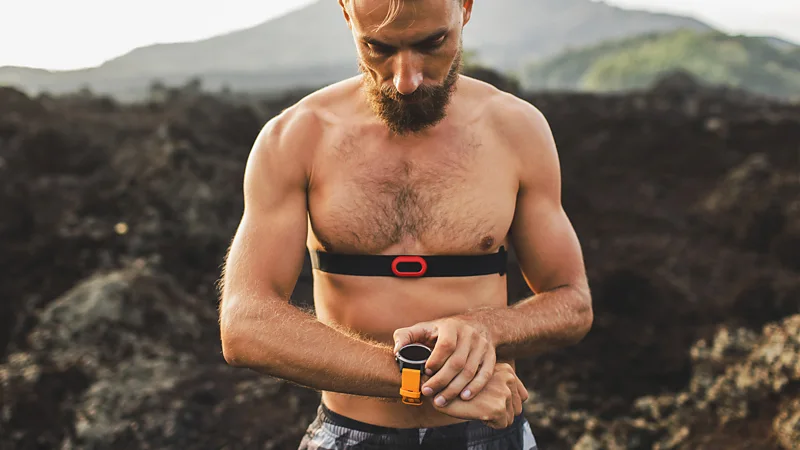
Heart rate variability, also known as HRV, is gaining attention as an important sign of overall health and wellness. Unlike heart rate, which measures how many times the heart beats in one minute, HRV tracks the small changes in time between each heartbeat. These tiny variations can reveal a lot about stress, recovery, fitness, and even the ageing process.
Many people now use smartwatches and fitness trackers to monitor their HRV scores daily. Experts believe this growing trend could help people better understand how their body responds to exercise, stress, sleep, and mental health challenges.
What Heart Rate Variability Means
A healthy heart does not beat at the exact same interval every second. Instead, the time between heartbeats naturally changes. This variation shows how well the body adapts to physical activity, emotional stress, and recovery.
Higher HRV levels often indicate better cardiovascular fitness, good recovery, and lower stress. Lower HRV levels may signal fatigue, stress, lack of sleep, or poor recovery after exercise.
Researchers continue to study HRV because it provides deeper insight into how the nervous system works. Many doctors and health experts now consider it a useful tool for tracking overall wellbeing.
Smartwatches Are Making HRV Tracking Popular
Modern wearable devices have made HRV tracking easier than ever. Many smartwatches now collect this data automatically during sleep, exercise, or rest periods.
People use HRV readings to decide when to push harder during workouts and when to rest. This approach can help reduce burnout, overtraining, and unnecessary physical strain.
London based health tech professional Artem Kirillov says HRV completely changed the way he approaches fitness. In the past, he pushed through exhaustion and skipped rest days because he believed more exercise always produced better results.
After tracking his HRV regularly, he began making smarter decisions about recovery and training intensity. He now feels more balanced and more connected to his physical condition.
HRV Can Reflect Stress and Mental Health
Health specialists say HRV does not only measure fitness. It may also reflect emotional and mental wellbeing. Stress, anxiety, poor sleep, and emotional pressure can lower HRV levels.
Because of this connection, some companies and app developers are creating tools that help users monitor stress through HRV data. Experts believe this technology could support healthier lifestyle habits and improve long term wellness.
Scientists Continue to Study HRV Benefits
Medical researchers are still learning how HRV affects long term health. Early findings suggest it may help doctors understand ageing patterns, cardiovascular health, and recovery ability.
As wearable technology becomes more common, experts expect HRV tracking to become an important part of personal healthcare and fitness management.