
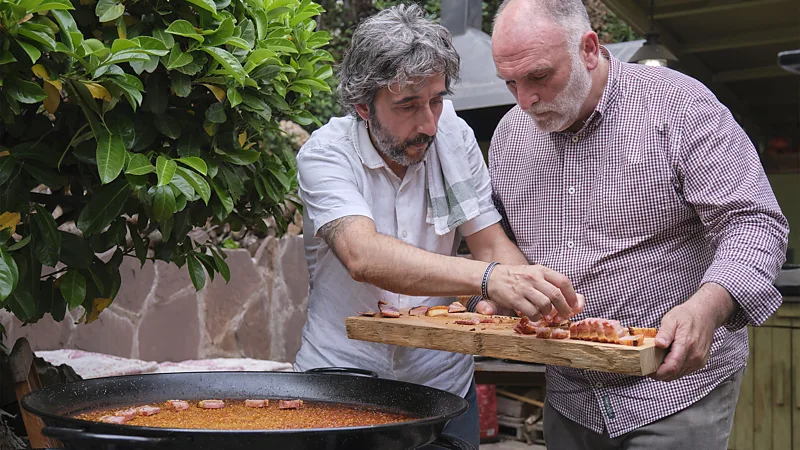
Tapas and Spanish Culture
Tapas are more than small plates in Spain. They are a way of life built around sharing, talking, and spending time together.
Chef José Andrés, who grew up in Spain and later introduced Spanish food to the United States, explains that tapas reflect the social nature of Spanish dining. People eat together, pass plates around, and enjoy wine while staying connected.
From Spain to the World
Tapas have now spread across many countries. José Andrés helped introduce this style of eating through his restaurants in Washington, D.C. Most preferred individual meals.
Over time, that changed. Today, more people enjoy shared dining and small plates. Tapas can range from simple snacks like olives or chips to creative dishes found in fine dining restaurants.
The True Spirit of Tapas
You can see them in small neighborhood bars or in modern restaurants. The idea is not about complexity. It is about creativity and connection.
A simple dish, like bread topped with anchovies, can be just as meaningful as a gourmet plate. What matters most is the experience of eating together.
How to Eat Tapas Like a Local
José Andrés highlights an important part of tapas culture: sharing without hesitation. People talk, laugh, pour drinks, and enjoy the moment together.
Tapas are not rushed. They encourage slow eating and social connection. The focus stays on the table, the conversation, and the shared experience.