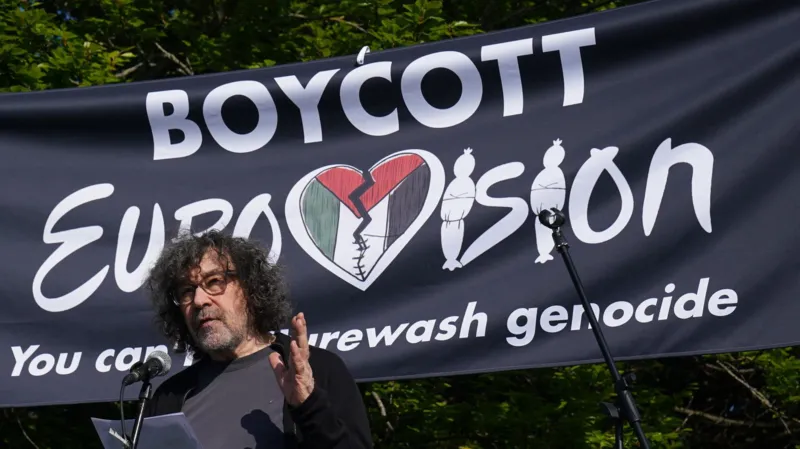
Ireland’s Decision to Step Away
Ireland is not part of this year’s Eurovision Song Contest. The country has joined a group of broadcasters that chose to boycott the event. The main reason is disagreement with the decision to allow Israel to compete.
The Irish national broadcaster RTÉ confirmed it will not take part. It will also not air the live contest. Instead, it scheduled alternative programming for viewers.
Ireland has a strong Eurovision history. It has won the contest multiple times and is one of the most successful countries in its record. This makes its absence this year especially notable.
Why the Boycott Happened
The boycott is linked to the ongoing war in Gaza, which began after the October 7, 2023 attacks on Israel by Hamas. That attack killed around 1,200 people and led to the taking of 251 hostages, according to Israeli authorities.
Since then, Israel’s military action in Gaza has resulted in a large number of Palestinian deaths reported by local health officials.
Several European broadcasters argue that Israel’s participation in Eurovision is not appropriate during the conflict. They believe it raises concerns about fairness and ethics in a cultural event meant to promote unity.
Ireland, along with countries such as Iceland, the Netherlands, Slovenia, and Spain, decided to withdraw in protest.
Controversy Around Israel in Eurovision
Israel’s presence in Eurovision has been debated since the conflict escalated. During recent contests, protests were seen across Europe. Israeli performers also received security protection at events.
In the 2025 contest, Israel performed strongly in the public vote. Some critics raised concerns about political influence on voting campaigns through online platforms.
Israel’s broadcaster has rejected claims that its participation is political pressure. It says the boycott harms artistic freedom and cultural exchange.
What This Means for Eurovision Fans
For Irish viewers, the absence is a major change. RTÉ will not broadcast the contest from Austria. This breaks a long tradition of participation and live coverage.
The decision also reflects wider political tensions in Europe. Eurovision, usually focused on music and entertainment, has once again become part of a larger political debate.