Economic Pressure Behind the Advisory
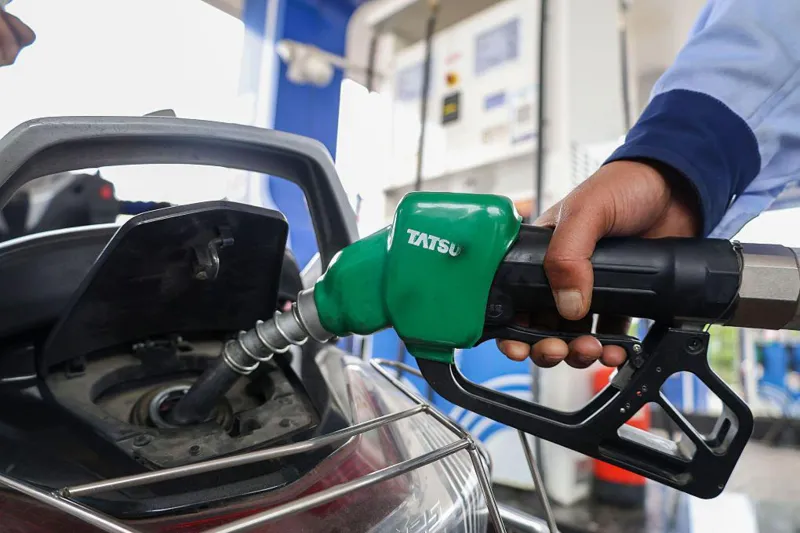
Prime Minister Narendra Modi has asked citizens to adjust spending habits as India faces rising external economic pressure linked to global instability. He encouraged people to work from home when possible, avoid unnecessary foreign trips, reduce fuel use, and cut back on gold purchases.
The message signals growing concern over foreign exchange outflows at a time when global conditions are tightening. It also reflects a broader effort to protect national reserves during a period of economic stress.
Rising Global Costs and Energy Strain
India depends heavily on imports for energy needs. Around 90 percent of crude oil and nearly half of its gas supply comes from overseas markets. When global supply routes face disruption, import costs rise quickly.
With energy prices increasing, airlines have already raised fares. Fuel driven inflation is also affecting transport and travel costs. Overseas holidays are becoming more expensive for Indian citizens.
Gold Imports Under Scrutiny
Gold remains one of India’s largest import items, creating a steady drain on foreign currency reserves. To slow this pressure, the government has increased import duties on gold and silver to 15 percent.
Officials are hoping higher duties will reduce demand and ease pressure on foreign exchange outflows.
Economic Concerns From Experts
Industry leaders warn that the impact of global conflict may not yet be fully visible in domestic markets. Some economists believe the real pressure is still ahead as energy costs continue to adjust.
Banking veteran Uday Kotak has suggested that businesses and policymakers should prepare for sharper economic stress if global conditions worsen. Economists also warn that if disruptions continue, India could face one of its most challenging external economic periods in recent years.
Rajeswari Sengupta, an economics professor at Indira Gandhi Institute of Development Research in Mumbai, has also highlighted the risk of prolonged pressure on India’s economy if global instability continues.
Market and Public Response
Financial markets reacted with concern after the advisory gained attention. The focus on reducing consumption signals a cautious outlook on near term economic stability.
Citizens are also feeling the early effects through higher travel costs and rising fuel related expenses.