Key diplomatic meeting in New Delhi
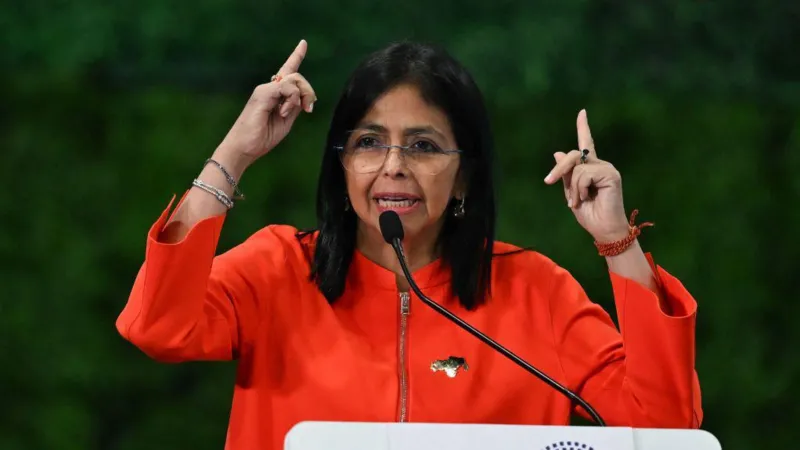
Delcy Rodríguez is in India for talks with senior leadership, including Prime Minister Narendra Modi. The discussions cover trade, investment, healthcare, and clean energy cooperation.
The main focus remains oil trade, which continues to shape relations between the two countries.
Oil remains the core of the partnership
India relies heavily on imported crude, covering about ninety percent of its total needs. This makes energy security a major policy priority.
A large share of global supply routes also pass through the Strait of Hormuz, a key maritime chokepoint. Recent geopolitical tensions in the region have raised concerns about supply stability.
As a result, India has been actively diversifying its crude sources to reduce risk and improve stability.
Venezuela gains importance in India’s energy mix
Venezuela has become a more important supplier for India in recent months. India increased its purchases of Venezuelan crude after a temporary pause caused by international sanctions policies.
Recent shipping data shows Venezuela supplied around 266,000 barrels per day in May, placing it among India’s top five oil suppliers. Only Russia, the United Arab Emirates, Saudi Arabia, and Brazil ranked higher during that period.
By April and May, imports resumed after a gap of several months. Early figures suggest shipments may rise above 300,000 barrels per day in June.
Strategic energy diversification for India
India is working to reduce dependence on any single region for oil imports. Middle Eastern supply routes still dominate overall imports, but policymakers are expanding partnerships with alternative producers.
Energy analysts note that increasing imports from Venezuela could also support broader diplomatic balance in global energy politics. At the same time, India is cautious about aligning too closely with competing geopolitical pressures.
Political and market uncertainties
Experts highlight that Venezuela offers large oil reserves, which makes it attractive for long term supply planning. However, political instability and shifting international sanctions create uncertainty for sustained trade growth.
India continues to weigh energy security needs against diplomatic and financial risks.