A rare group of patients with natural HIV control
Researchers are studying a small group of people who can naturally suppress HIV without medication. These individuals are known as elite controllers. They represent about 0.5 percent of all people living with HIV. Their immune systems keep the virus at extremely low levels without antiretroviral therapy.
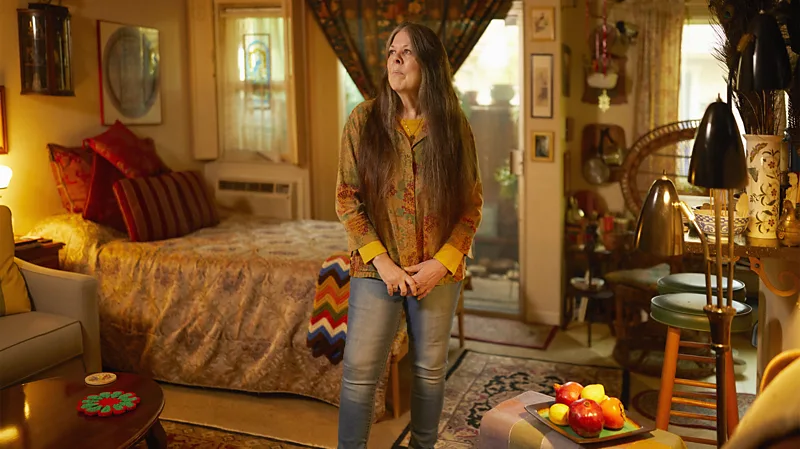
Among the most well known cases was Loreen Willenberg, a landscape designer from California. She tested positive for HIV in 1992 but never needed treatment to control the virus. Her doctors described her immune response as highly unusual and different from typical HIV cases.
A life lived without active infection signs
Willenberg lived for decades without signs of disease progression. Even as medical science expected the virus to remain present in her body, her health stayed stable without treatment. Scientists continued to study her case to understand how her immune system controlled the infection so effectively.
In 2022, she was diagnosed with advanced cancer that spread from her lungs to her brain. She underwent surgery and intensive treatment that weakened her immune system. Doctors expected that HIV, if still present, could become active again under these conditions.
However, further testing revealed no detectable HIV in her cells. Researchers examined billions of cells and still found no trace of the virus. This finding suggested an extraordinary level of viral control that challenged previous assumptions.
Scientific investigations into complete viral absence
Professor Xu Yu from the Ragon Institute of Mass General Brigham, MIT, and Harvard led research into Willenberg’s case. At a major HIV science conference in 2025, she shared findings suggesting that Willenberg may have cleared the virus completely.
This conclusion was based on extensive laboratory analysis. Despite advanced testing methods, researchers could not detect HIV genetic material in her system. The result raised new questions about whether a functional or complete cure is possible in rare cases.
A legacy that reshapes HIV research
Willenberg passed away in April 2026 after battling cancer. Although she did not survive her illness, her case continues to influence global HIV research. Scientists believe her unique immune response could help guide future treatments aimed at long term viral control or potential cures.
Her story highlights how rare biological responses can change scientific understanding and open new pathways for medical innovation.