Tensions Rise After US and Iranian Attacks
Relations between the United States and Iran have become increasingly tense after both countries carried out military strikes against each other. The latest exchange has raised fears of further conflict across the Middle East.
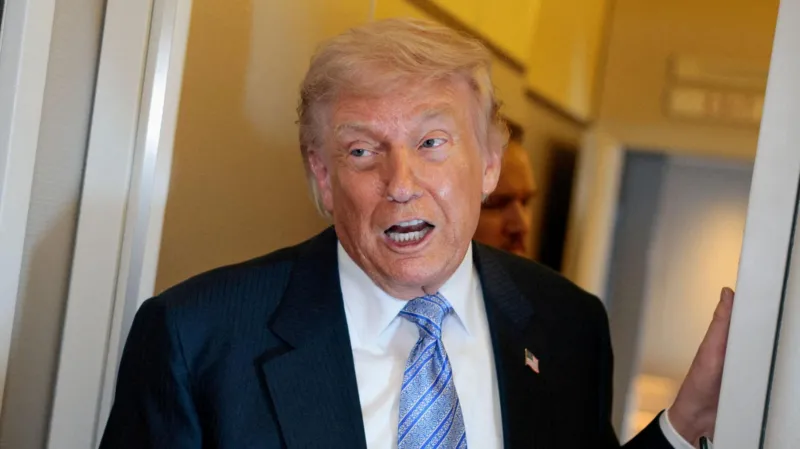
US President Donald Trump accused Iran of delaying negotiations and warned that Tehran would face consequences. He claimed that Iran’s military capabilities had been severely weakened and described the country as unwilling to take meaningful action.
Meanwhile, Iranian Foreign Minister Abbas Araghchi rejected those claims and stated that Iran would respond to any threat or attack. He argued that the United States had faced setbacks in the ongoing confrontation and stressed that Iran would continue to defend its interests.
US Targets Iranian Military Infrastructure
The US military confirmed that it carried out strikes on several Iranian military sites. According to officials, the operation targeted air defense systems, radar facilities, and ground control stations near the Strait of Hormuz.
American authorities described the attacks as a measured response to the downing of a US Army helicopter in the Gulf earlier this week. The Strait of Hormuz remains one of the world’s most important shipping routes, making any military activity in the area a major international concern.
Iran Responds With Regional Missile Strikes
In response, Iran’s Islamic Revolutionary Guard Corps launched attacks against multiple US military positions in the region. Iranian officials said the operation targeted 21 locations, including bases in Bahrain and Jordan.
Regional security forces also reported defensive actions. Kuwait’s military stated that it intercepted an incoming attack, highlighting the growing risks facing neighboring countries.
Diplomatic Efforts Face New Challenges
The military escalation has complicated ongoing diplomatic efforts between Washington and Tehran. Although President Trump recently expressed optimism about reaching a deal, recent events have created fresh uncertainty.
Iranian Foreign Ministry spokesman Esmaeil Baqai criticized the United States for sending mixed signals during negotiations. He argued that changing demands and repeated violations of ceasefire agreements had damaged trust between the two sides.
Baqai added that Iran must reassess the current situation before deciding how to proceed with diplomatic discussions. He emphasized that successful negotiations require stability and clear commitments from all parties involved.
Questions Remain Over Helicopter Incident
The confrontation began after a US Army helicopter was brought down while operating near the Strait of Hormuz. American officials believe an Iranian drone was involved in the incident.
However, authorities have not confirmed whether the drone intentionally targeted the aircraft. Reports indicate that the helicopter was flying at a low altitude when it was struck. The two crew members survived the incident and were rescued by an American sea drone.
Regional Stability Remains Uncertain
The latest exchange of strikes and threats has increased concerns about security across the Middle East. With military operations continuing and diplomatic talks under pressure, many observers fear that tensions could rise further in the coming days.
Both Washington and Tehran remain firm in their positions, leaving the future of negotiations and regional stability uncertain.