A new study suggests that women aged 49 and older have a significantly lower chance of having a successful pregnancy through IVF, even when using eggs donated by younger women. The findings challenge the long held belief that donor eggs can fully overcome the effects of age on fertility.
Researchers examined the treatment outcomes of 1,774 women who underwent donor egg IVF. They found that fertility success gradually declined with age, while the risk of miscarriage increased sharply after the age of 49.
Pregnancy Success Declines with Age
According to the research, women between the ages of 35 and 40 had about a 54% chance of becoming pregnant through donor egg IVF. For women aged 49 and older, that figure dropped to around 43%.
The study also showed that live birth rates fell from 46% in younger participants to 32% in women aged 49 and above. At the same time, miscarriage rates increased from 24% to 38%, highlighting the growing impact of reproductive ageing.
Researchers reported that women who transferred all of their available embryos still achieved meaningful success. Around 80% of women aged 35 to 40 eventually had a live birth, compared with 62.5% of women aged 49 or older.
Changes in the Womb May Play a Key Role
The researchers believe that ageing affects more than egg quality. They found changes in the endometrium, the lining of the womb where an embryo implants and develops.
Although the thickness of the womb lining remained similar across age groups, its overall condition declined as women got older. Scientists believe these changes may reduce the chances of implantation and increase the risk of pregnancy loss.
Experts say future research could help identify ways to measure, improve, or even reverse age related changes in the womb.
Experts Say Older Women Should Still Have Hope
Lead researcher Dr. Beatrice Crestani explained that fertility has traditionally been linked mainly to egg quality. However, the latest findings show that the uterus also plays an important role in reproductive ageing.
She stressed that women should not be discouraged from pursuing donor egg treatment because many still achieve successful pregnancies. However, doctors should clearly explain that donor eggs cannot completely remove the effects of ageing, especially after the age of 49.
Sharon Marshall Shares Her IVF Journey
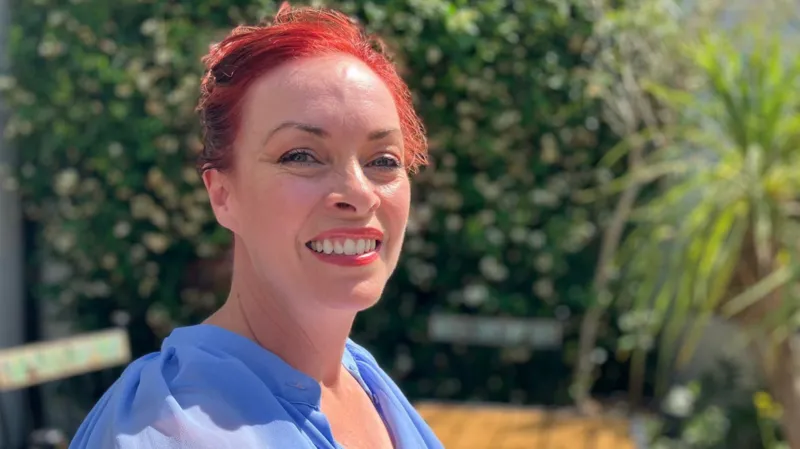
Television personality Sharon Marshall also shared her personal experience with IVF. After six years of fertility treatment and several emotional setbacks, she gave birth to her daughter, Betsey, at the age of 46.
Marshall revealed that she experienced two pregnancy losses before finally succeeding on her seventh IVF cycle. She described the process as physically exhausting and emotionally overwhelming, adding that she never truly relaxed during her pregnancy until her daughter was safely born.
She believes women deserve honest information about the challenges of becoming pregnant later in life so they can make informed decisions about their fertility options.
Study Highlights Importance of Realistic Expectations
The findings show that donor eggs can improve pregnancy chances for older women, but they cannot completely eliminate the effects of ageing on the reproductive system. Experts say better understanding of womb health could lead to improved fertility treatments in the future.
For now, doctors encourage women to seek professional advice early, understand the potential risks, and make fertility decisions based on accurate medical information.