A major international operation against human trafficking has led to the arrest of more than 1,000 people across 59 countries. Law enforcement agencies worked together to rescue victims, break up criminal networks, and launch hundreds of new investigations.
The operation, known as Operation Global Chain, focused on stopping human trafficking for sexual exploitation, forced labor, criminal activities, and forced begging. Authorities also uncovered new trafficking methods and routes that criminal groups continue to use.
International Operation Targets Human Trafficking Networks
International police agencies joined forces with national authorities to carry out the large scale operation between June 8 and June 12. Around 40,000 officers participated across Africa, Asia, Europe, and the Americas.
The coordinated effort resulted in 1,024 arrests. Officials charged 334 suspects with human trafficking, while another 690 people faced charges linked to related crimes.
At the same time, investigators identified 2,070 victims or possible victims. Most of them were women, although children also made up a significant number of those rescued.
Criminal Networks Dismantled in Cambodia and Europe
Authorities successfully dismantled several major trafficking networks during the operation.
One criminal group trafficked victims to Cambodia. Once there, the victims were forced to work in online scam centers under harsh conditions. Investigators identified hundreds of victims connected to this network.
In Europe, police shut down another trafficking ring that targeted underage girls through social media. The group allegedly held victims against their will and forced them into prostitution in Belgium and France. Officers arrested 17 suspects during the investigation.
New Trafficking Trends Raise Global Concern
Investigators also discovered changing trafficking patterns.
Officials reported an increase in Latin American victims being trafficked to Europe for forced labor. Around 10 percent of the identified victims were minors from the Americas who suffered sexual exploitation.
These findings highlight how criminal organizations continue to adapt their recruitment methods and expand their operations across international borders.
Countries Take Action to Protect Victims
Several countries introduced new measures to prevent future trafficking.
In Colombia, authorities launched an airport awareness campaign to warn travelers about fake overseas job offers that traffickers often use to lure victims.
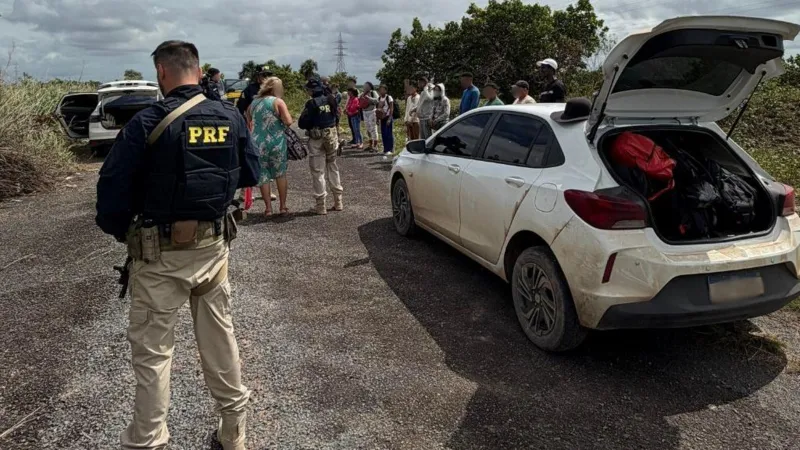
Meanwhile, Brazil’s Federal Police identified 406 victims connected to a transnational trafficking network. Among them were 83 Brazilian citizens and 323 foreign nationals who had been transported to Cambodia and forced into online scam operations.
In another successful rescue, police in Argentina saved two Bolivian children who had been forced to work in a grocery store. Authorities also arrested suspects connected to that case.
Hundreds of New Investigations Underway
Investigators have already opened 465 new cases following the operation. They also identified another 201 suspects who remain under investigation.
Authorities issued international notices for several wanted individuals as they continue tracking members of trafficking organizations.
Officials confirmed that every identified victim has been referred to national protection and support services for assistance and recovery.
Global Cooperation Continues
Countries including the United Kingdom, the United States, France, Germany, Spain, Nigeria, Thailand, Vietnam, and many others participated in the operation.
Officials say international cooperation remains one of the strongest tools in fighting human trafficking. They also stressed that continued information sharing will help prevent more people from falling victim to these criminal networks.