Iran has condemned new US economic sanctions, calling them “state terrorism,” as diplomatic efforts continue to reopen the Strait of Hormuz and reduce tensions after months of war.
Iran strongly rejected the latest economic measures announced by the United States on Friday. The Iranian Foreign Ministry said other countries should not enforce the sanctions because Tehran considers them unlawful under international law.
The dispute comes as Qatar and other mediators try to restart diplomatic efforts between Iran and the United States. A major issue remains the Strait of Hormuz, a key shipping route for global energy supplies.
Quick Facts
| Detail | Information |
|---|---|
| What happened | Iran condemned new US economic sanctions and urged other countries not to enforce them. |
| Where | Iran, the United States, and the Strait of Hormuz |
| When | Friday, August 28, 2026 |
| Who is involved | Iran, the United States, Qatar, Pakistan, Banque Misr, and other international actors |
| Current status | US economic pressure continues while diplomatic efforts focus on reopening the Strait of Hormuz. |
| Why it matters | The strait is a major global energy route, and reduced shipping could affect oil markets and international trade. |
Iran Condemns New US Sanctions
Iran said the new US sanctions could harm ordinary people and put pressure on the country’s economy.
The Foreign Ministry called the measures a “crime against humanity” and urged other governments and United Nations bodies to follow international law.
The US administration has continued its economic pressure campaign against Tehran. President Donald Trump said Thursday that Washington was not currently negotiating with Iran.
US Targets Bank Linked to Iran
The US Treasury Department announced additional Iran related sanctions on Friday.
A US official also said Washington plans to restrict Banque Misr’s operations because of its business links with Tehran. The proposed action could remove the bank’s access to US correspondent banking services through its branches in the United Arab Emirates.
Treasury officials separately announced measures against an entity based in Hong Kong and an individual linked to Iran’s Bank Melli.
These actions show that Washington continues to use financial pressure as a major part of its Iran strategy.
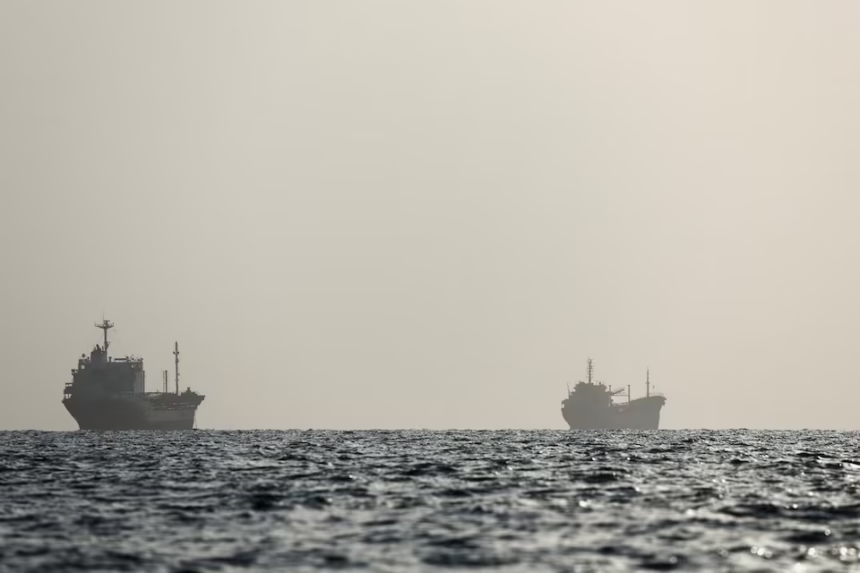
The Strait of Hormuz connects the Persian Gulf with the Gulf of Oman. It is one of the world’s most important energy shipping routes.
Before the war began, about 20% of global oil supplies passed through the strait.
After the United States and Israel launched strikes against Iran in February 2026, Iran threatened vessels using the waterway without its authorization.
The resulting security concerns caused shipping activity to fall sharply.
Iran has previously linked the reopening of the strait to issues including sanctions, restrictions on Iranian ports, and compensation.
The United States has maintained that the strait should remain open as an international waterway.
Qatar and Pakistan previously helped broker a memorandum of understanding in June that led to a ceasefire. However, disagreements over the Strait of Hormuz later disrupted the agreement.
Why the Hormuz Dispute Matters
The dispute could affect global energy markets.
The Strait of Hormuz carries a large share of international oil shipments. Continued disruption could increase transportation costs and create pressure on oil prices.
Gulf producers are also adapting their infrastructure and shipping operations to deal with the new conditions.
The situation also has major diplomatic consequences.
If Iran and the United States can reach an agreement on shipping and other disputes, international trade could gradually return toward normal levels.
If negotiations fail, continued economic pressure and limited shipping could keep tensions high.
What Happens Next for Hormuz?
Diplomatic efforts will likely focus on the conditions Iran wants for reopening the Strait of Hormuz.
Iran has said it is preparing a list of conditions. The United States continues to demand that the waterway remain open to international shipping.
Qatar and other mediators could play an important role in future discussions.
The next major developments will likely involve shipping activity, US sanctions, oil prices, and possible negotiations between Tehran and Washington.
Iran US Tensions Over Hormuz
Iran has rejected the latest US sanctions while calling for an end to economic and military pressure.
At the same time, diplomatic efforts are focusing on the Strait of Hormuz. The future of the waterway could play an important role in both the regional conflict and global energy markets.