
A State Stuck in Crisis
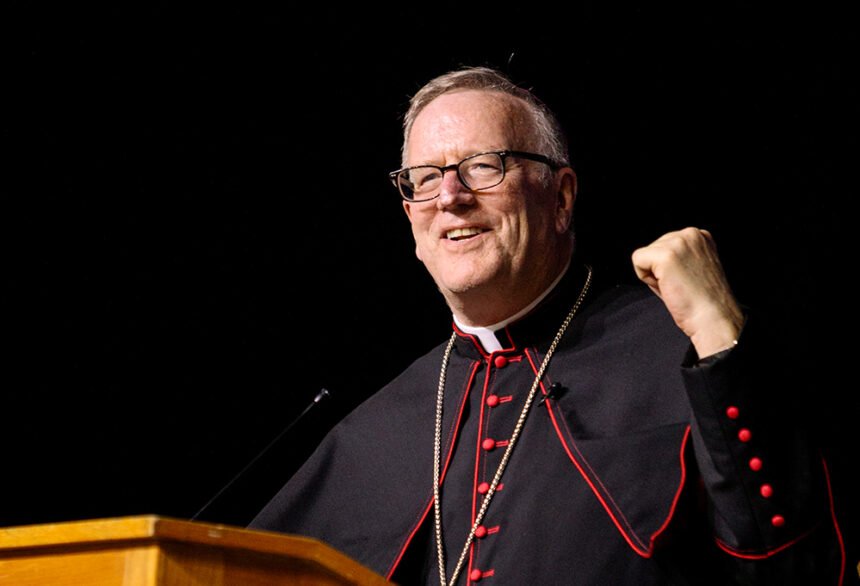
Bishop Robert Barron of the Winona Rochester diocese says Minnesota is going through a painful period of unrest and scandal. As a longtime resident of the state, he describes a climate marked by anger, corruption, threats, and constant blame. For that reason, he believes Minnesota keeps moving from one emergency to the next, while real solutions remain out of reach.
At the same time, two major issues now dominate public life. First, there is a massive fraud scandal tied to public funds. Second, there is growing turmoil following recent ICE enforcement actions. While emotions around immigration run high, Barron stresses that the corruption case must not be ignored or pushed aside.
Massive Fraud and Its Human Cost
According to Barron, hundreds of millions of dollars meant for public programs were routed through fake organizations and ended up with fraudsters. Notably, journalists uncovered the scheme by doing basic checks that state officials should have completed years earlier.
Because of this, Barron rejects the claim that the fraud was a victimless crime. Instead, he argues that public corruption hurts the poor the most. It weakens trust, damages institutions, and drains money meant for healthcare, education, and social support. Moreover, if similar schemes exist elsewhere, he warns that the problem becomes a nationwide moral failure. Therefore, he believes this issue should unite people across party lines.
Immigration Tensions Add Fuel
Meanwhile, Minnesota’s challenges do not end with financial scandal. The fatal shooting of Renee Good during an ICE operation has further intensified protests and clashes involving demonstrators, state leaders, and federal agents. As a result, fear, anger, and confusion have combined into a volatile situation.
Barron supports the right of the United States to enforce its borders and immigration laws. However, he argues that ICE actions should focus on undocumented immigrants who have committed serious crimes. In contrast, broad raids are too heavy handed and risk spreading panic and disorder.
Responsibility on All Sides
In addition, Barron says long term undocumented residents who have lived peacefully should be handled through political solutions, not aggressive enforcement. Likewise, he criticizes Minnesota leaders for using inflammatory language against federal officers. Comparing law enforcement to fascists or urging citizens to confront or film agents, he says, only increases the risk of violence.
At the same time, Barron points out that local officials also bear responsibility. By refusing to cooperate with federal authorities on basic measures such as crowd control, they raise the danger of violent encounters. Nevertheless, he also urges ICE agents to follow proper protocol and calls on protesters to avoid blocking or surrounding officers.
A Call for Calm and Change
Ultimately, Barron ends with a call for restraint. While debate and protest are essential to democracy, he says, insults and demonization are not. If Minnesota continues on its current path, the crisis will only deepen. Therefore, real change will require calm discussion, shared responsibility, and a firm rejection of both corruption and violence.