Arrival in the Virunga Mountains
On 9 January 1978, David Attenborough and his crew arrived in the Virunga Mountains in Rwanda. Their goal was simple. They wanted to film mountain gorillas in the wild and explain how primate thumbs and fingers evolved for tool use.
The journey was not easy. The team climbed steep slopes reaching nearly 3,000 meters above sea level. The terrain was rough and tiring, but they continued with determination.
A species on the edge
At that time, mountain gorillas were close to extinction. Poaching and trophy hunting had reduced their numbers to fewer than 285 in the Virunga region. They were also extremely hard to find in the dense forest.
Every step into the forest carried risk. The crew knew they might not even get a clear sighting of the animals they came to film.
Trust in Dian Fossey’s work
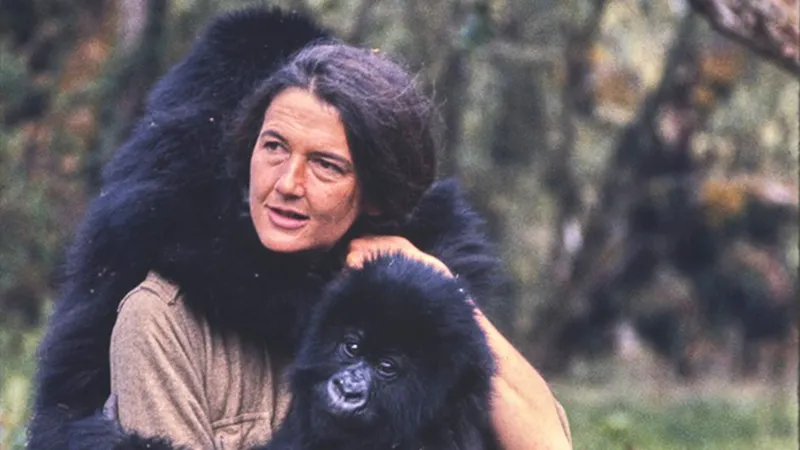
The only realistic chance of success depended on Dian Fossey, the American primatologist studying mountain gorillas in Rwanda. She had built the Karisoke Research Centre inside Volcanoes National Park and had spent years gaining the trust of the gorillas.
Fossey’s work had gained global attention after appearing on the cover of National Geographic in 1970. Even so, Attenborough was unsure she would allow a filming crew near the gorillas she protected so carefully.
The moment that changed wildlife television
Against expectations, the team eventually witnessed something remarkable. In a forest clearing, Attenborough came face to face with a group of mountain gorillas.
One moment stood out. A female gorilla calmly observed him from just a few feet away. Attenborough later described the experience as deeply meaningful, saying a glance shared with a gorilla felt more significant than with any other animal.
That short sequence later became one of the most powerful moments in wildlife broadcasting history through the Life on Earth series.
A legacy that continues
The encounter did more than create a memorable television scene. It also highlighted the fragile state of mountain gorillas and the importance of conservation efforts that continue today.