Canada and Mexico Struggle to Keep Free Trade
Canada and Mexico expressed their strong desire to maintain the North American Free Trade Agreement. Mark Carney, the Prime Minister of Canada and Mexico, warned that US actions temporarily disrupted this agreement. He called it “broken”.
USMCA protects Canadian trade against broad US duties, such as a 10% duty on a global basis under Section 122. This law has rarely been used in the past. The US Supreme Court had previously blocked emergency tariffs that targeted Canada.
Following the trade talks’ failure last autumn, Ottawa continued to negotiate relief on these tariffs. Ottawa was negotiating relief from these tariffs when trade negotiations stalled in the fall of last year.
Continued US demands and bilateral talks
Both Canadians and Americans have indicated that, despite the resumption of negotiations, some tariffs at baseline will remain.
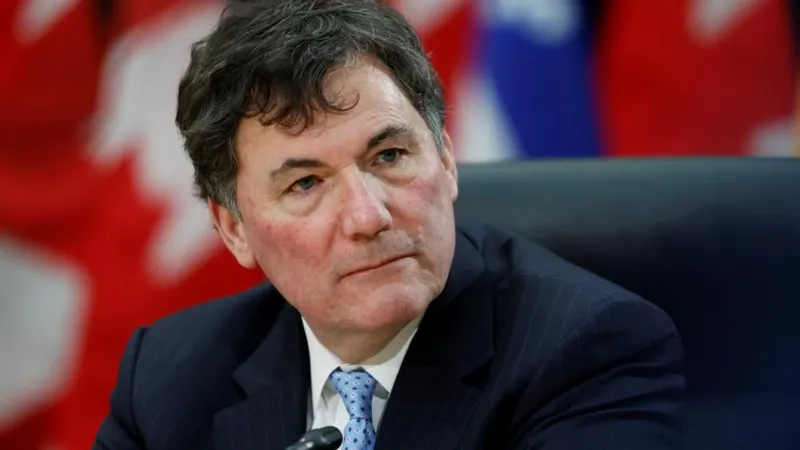
Dominic LeBlanc met Jamieson Greer, the US representative for trade with Canada, to discuss this agreement.
Global Partnerships and Automotive Industry concerns
Carney and Japanese Premier Sanae Takayi signed a partnership strategy during his Tokyo visit, which focused on collaboration in defence, technology, energy and other areas.
Automotive industry is still a major sticking point. US demanded previously more domestic auto production. The tariffs on Ontario’s auto industry have already resulted in job losses.
Canada Diversifies Trade Amid US Uncertainty
Carney was elected to reduce dependence on the US and has made deals outside of North America. In his Indo-Pacific trip, Carney signed a nuclear agreement with India for 10 years and committed to accelerating free-trade talks. He and Australian Prime Minister Anthony Albanese reaffirmed defence ties in Australia and joined G7 Critical Minerals Alliance, headed by Canada.
Canada has reduced its reliance on US markets from 75 to 67.3%. The move signals a strategic approach to diversify the trade, and to reduce Canada’s vulnerability to US policy.