Dangerous Fairies Inspire Modern Fantasy Boom
Modern fairy fiction is no longer about gentle, glowing creatures. Today’s stories present fairies as powerful, risky, and emotionally intense beings. This darker image actually comes from old folklore, not modern imagination.
A surge in “fae romance” or romantasy has pushed this trend into the spotlight. Popular book series like A Court of Thorns and Roses have driven massive sales and global attention. The genre blends fantasy, romance, and sometimes bold emotional themes, attracting a wide audience.
From Folklore to Modern Storytelling
The idea of fairies as seductive and unpredictable is centuries old. In early European folklore, fairies were not harmless. They often tricked humans, changed shapes, and formed dangerous relationships with them.
Stories from Nordic regions describe forest spirits like the skogsrå. She appears as a beautiful woman but hides animal features. Legends warn that relationships with such beings could lead to death.
Similar myths appear across cultures. These tales often show supernatural beings forming close, sometimes risky bonds with humans.
The Story of Tam Lin and Role Reversal
One famous Scottish ballad from the 1500s tells the story of Tam Lin and a woman named Janet. She meets him in a forest, and their relationship leads to unexpected consequences.
In the story, Janet becomes pregnant and later discovers Tam Lin is trapped by the Fairy Queen. Instead of being rescued, Janet takes action herself. She faces magical challenges to save him.
This tale flips the usual “hero saves the woman” idea. It also shows strong emotional and symbolic elements, including transformation and loyalty.
The Mélusine Legend and Otherworldly Love
Another well-known tradition is the Mélusine legend. It tells of a mysterious water spirit who forms a relationship with a human man. Variations of this story appear across Europe, especially in Ireland.
These stories highlight a common theme. Humans and supernatural beings form deep but complicated connections. Trust, secrecy, and transformation often shape these relationships.
Shakespeare’s Influence on Fairy Myth
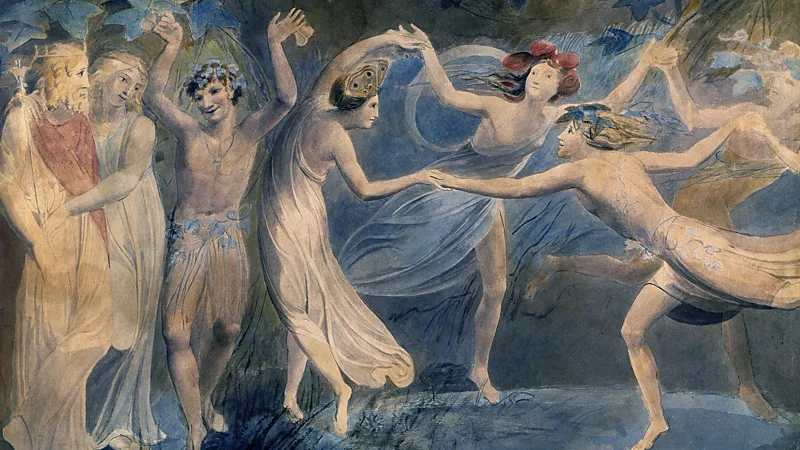
Fairy folklore also influenced classic literature. In A Midsummer Night’s Dream, Shakespeare presents fairies as playful but unpredictable. The fairy queen Titania falls in love with a man magically altered to look like a donkey.
This mix of humor, magic, and strange attraction reflects older beliefs about fairies. They were never fully kind or safe.
Why This Trend Still Works Today
Modern readers connect with these stories because they offer more than simple fantasy. They explore power, emotion, and complex relationships.
Today’s fairy fiction keeps the original folklore alive but adapts it for a new audience. The result is a genre that feels both ancient and fresh.