Several African Governments Raise Concerns Over New US Healthcare Agreements
The United States has introduced a new healthcare funding strategy for developing countries after shutting down its main foreign aid agency last year. While Washington is offering billions of dollars to strengthen healthcare systems and fight diseases, several African nations have refused or delayed signing the agreements because of concerns over data protection, national independence, and the conditions attached to the funding.
Countries including Ghana, Zimbabwe, and Zambia have expressed reservations, while Kenya has moved forward with its agreement after facing legal challenges and public debate.
Kenya Becomes the First Country to Sign the New Agreement
Kenya became the first African nation to accept the new healthcare partnership. The five year agreement is worth approximately $2.5 billion.
Under the deal, the United States will provide $1.6 billion, while Kenya has committed to investing $850 million into its own healthcare system. The agreement aims to strengthen hospitals, improve disease prevention, and help Kenya build a more sustainable healthcare system.
Although Kenya’s cabinet has approved the deal, activists challenged it in court before the final approval, raising concerns about transparency and the long term impact of the agreement.
US Wants Countries to Invest More in Their Own Healthcare
The Trump administration says the new strategy encourages countries to become less dependent on foreign aid. Instead of relying heavily on international organizations and non governmental groups, governments will take greater responsibility for funding and managing their own healthcare services.
US officials believe this approach will create stronger healthcare systems that can continue operating even after American financial support ends.
The administration also argues that previous aid programs often spent too much money on administrative costs instead of direct healthcare services.
Shift Away From Traditional Global Health Programs
The new policy represents a major change in how the United States delivers foreign health assistance.
Instead of working mainly through international organizations, the US now prefers direct agreements with individual governments. Officials believe these partnerships better support American foreign policy and strengthen relationships with partner countries.
Earlier this year, the United States also withdrew from the World Health Organization. The administration argued that the organization lacked transparency, handled the Covid 19 pandemic poorly, and placed an unfair financial burden on the US.
Business Interests Are Part of the New Strategy
One of the most debated parts of the agreements is the requirement to give priority to American pharmaceutical companies and medical businesses when developing and supplying treatments.
According to the new policy, healthcare assistance also supports US economic and strategic interests. Critics believe this condition could limit competition and reduce flexibility for partner countries.
Supporters, however, argue that the approach strengthens cooperation while encouraging long term investment in healthcare infrastructure.
Why Some Countries Are Saying No
Not every African government is ready to accept the new agreements.
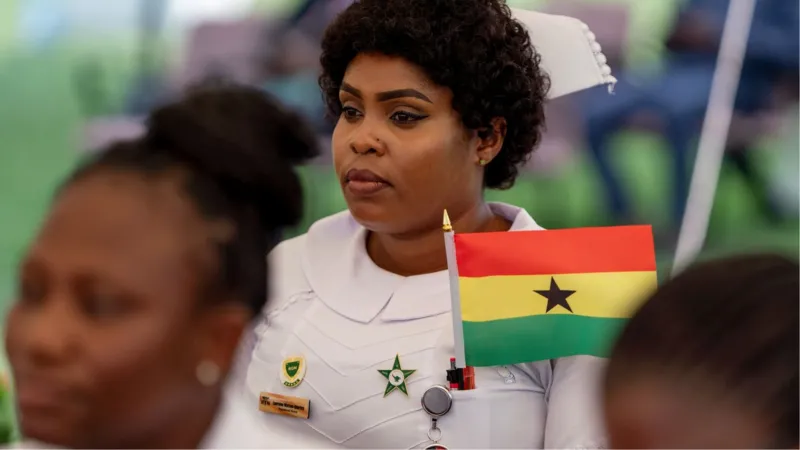
Ghana rejected a proposed $109 million healthcare deal in April because of concerns about data protection. Officials questioned how sensitive health information would be collected, stored, and shared under the proposed framework.
Zimbabwe and Zambia have also shown hesitation, although each country has cited different reasons for delaying or declining the agreements.
These decisions highlight the growing debate across Africa over balancing foreign investment with national sovereignty, privacy protections, and control over public healthcare systems.