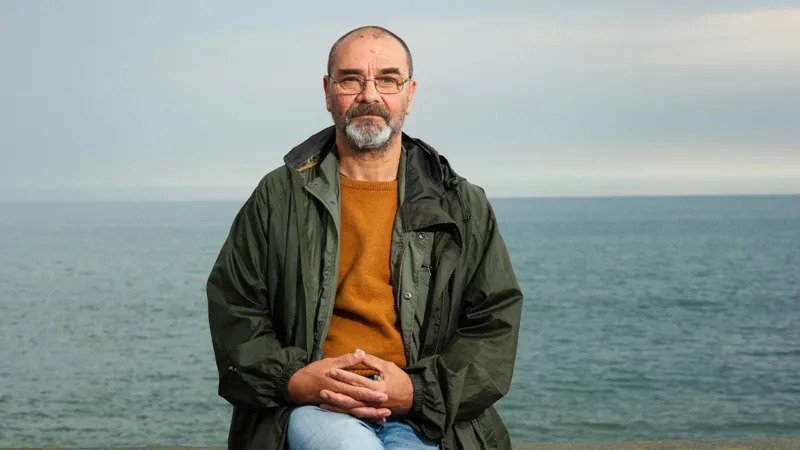
Andrew Malkinson Criticises
Andrew Malkinson has urged the UK government to step in after being asked to cover legal costs from the compensation awarded for his wrongful rape conviction. He said the decision feels unfair after spending nearly two decades behind bars for a crime he did not commit.
Malkinson explained that officials may deduct legal fees and expert costs from his compensation payment. According to him, the amount could reach up to £10,000. He described the move as “penny pinching” and questioned why the state was not covering the expenses.
For more than 20 years, Malkinson lived under the shadow of a conviction linked to a brutal 2003 attack in Greater Manchester. He served over 17 years in prison before his conviction was overturned in one of the UK’s most serious miscarriages of justice.
“The State Caused the Damage,” Says Malkinson
Speaking about the issue, Malkinson said the government should accept responsibility for the costs connected to the case. He argued that the authorities caused the injustice, so they should also pay the legal and expert fees required to clear his name.
He also called on Justice Secretary David Lammy to resolve the issue quickly. Malkinson said the matter could be fixed immediately if the government chose to act.
The Ministry of Justice responded by saying the miscarriage of justice compensation scheme exists to help people rebuild their lives. Officials added that the maximum compensation amount increased by 30% last year to £1.3 million.
The department also confirmed that the Law Commission is reviewing rules related to criminal appeals and compensation cases. Authorities said they would carefully study the findings once the consultation process ends.
Real Attacker Convicted After Years of Suffering
Malkinson spoke publicly after the conviction of 52 year old Paul Quinn, who was recently found guilty of rape, strangulation, and grievous bodily harm connected to the same attack.
Although relieved that the real offender had finally been convicted, Malkinson admitted the case still brought strong emotions. He said anger returned because he carried the blame and punishment for many years despite no DNA evidence linking him to the crime.
At the time Quinn was convicted, Malkinson was visiting ancient ruins in Rome, Italy. He reflected on the years of suffering experienced by both himself and the victim. He also said he often wondered how the victim must feel after the truth finally came out.
Malkinson stressed that he spent years serving “somebody else’s punishment.” His case continues to raise serious questions about the justice system and the long term impact of wrongful convictions.