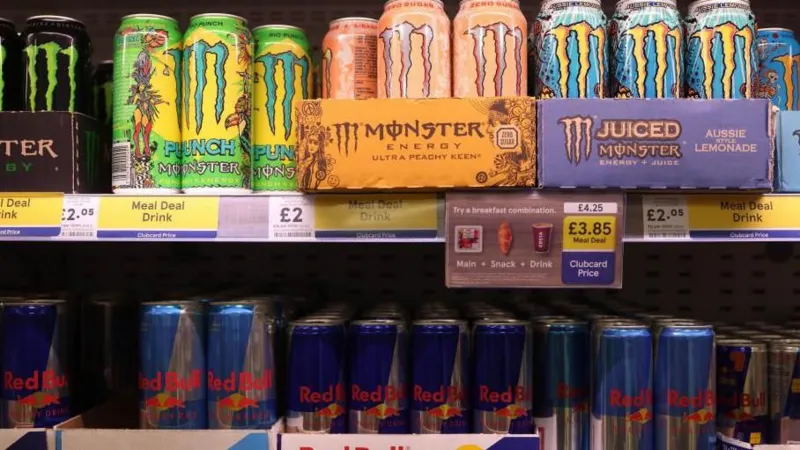
England will introduce a new law from April that will stop children under the age of 16 from buying high caffeine energy drinks. The government says the move will help protect young people from health problems linked to excessive caffeine intake and encourage healthier habits.
High Caffeine Drinks Will No Longer Be Sold to Children
Under the new rules, drinks containing more than 150 milligrams of caffeine per litre cannot be sold to anyone under 16. The restriction will apply in supermarkets, convenience stores, cafes, restaurants, vending machines, and online shops.
Government Says the Ban Will Protect Children’s Health
The government believes the policy will improve children’s health by reducing the negative effects of high caffeine consumption. Officials say too much caffeine can disturb sleep, increase anxiety, reduce concentration, and affect school performance.
Health experts also explain that children are more sensitive to caffeine because their bodies are smaller and their brains are still developing. As a result, they may experience stronger side effects than adults.
Businesses Could Face Fines for Breaking the Rules
The ban still requires parliamentary approval before becoming law. Once approved, local authorities will enforce the new rules.
Businesses that sell high caffeine energy drinks to children under 16 could receive fines of up to £2,500.
Thousands of Children Drink Energy Drinks Every Day
Government figures show that around 100,000 children in England consume energy drinks every day. Health professionals have repeatedly warned that these beverages may reduce attention in classrooms and negatively affect learning.
Some energy drinks contain more caffeine than two cups of coffee or several cans of cola. Drinking large amounts can lead to headaches, poor sleep, rapid heartbeat, abnormal heart rhythms, and, in rare cases, seizures.
Many energy drinks also contain high amounts of sugar. Regular consumption can increase the risk of obesity and tooth decay, especially among young people.
Experts Welcome the New Policy
Health organisations have welcomed the decision. They believe limiting children’s access to high caffeine drinks is a practical step toward improving public health.
Industry representatives argue that the new law is unnecessary. They point out that many manufacturers have voluntarily avoided promoting energy drinks to children since 2010 and already include warning labels on their products.
The previous government planned to introduce a similar restriction but later withdrew the proposal, saying that consumers should make their own choices.
Scotland, Wales, and Northern Ireland are also considering introducing similar restrictions on the sale of high caffeine energy drinks to children.