
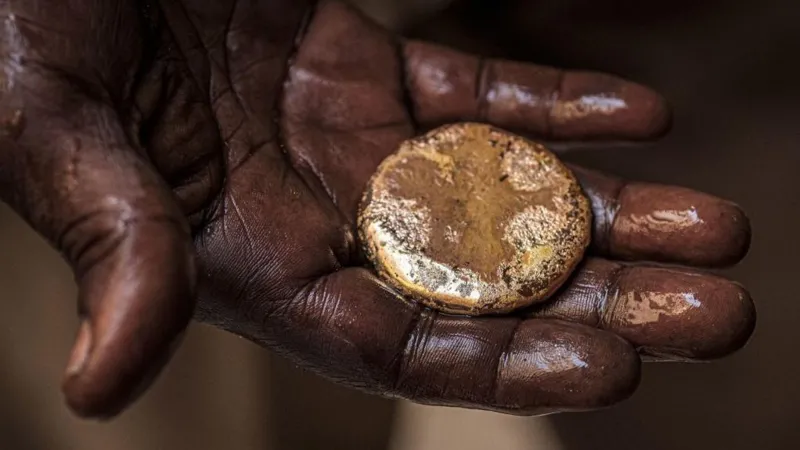
The European Union has introduced a ban on buying, importing, and transporting gold from Sudan in an effort to reduce financial support for the country’s ongoing civil war.
The conflict between Sudan’s military and the paramilitary Rapid Support Forces (RSF) started in April 2023 and has created one of the world’s most serious humanitarian crises. More than 14 million people have been forced to leave their homes because of the fighting.
Sudan is one of Africa’s biggest gold producers, and the valuable resource has become a major source of income for groups involved in the conflict.
Sudan Gold Trade Linked to Conflict Funding
EU foreign ministers approved restrictions on Sudanese gold along with a ban on exporting mercury and cyanide to Sudan. These chemicals are commonly used in gold mining activities.
According to international experts and rights organisations, a large amount of Sudan’s gold leaves the country through illegal trade routes. Estimates suggest that more than half of Sudan’s gold production, and possibly up to 70%, is smuggled abroad every year.
The RSF controls many gold mining areas in Darfur and Kordofan, while Sudan’s army manages gold production in northern and eastern parts of the country.
Gold Smuggling Routes Reach Global Markets
Investigators say Sudanese gold is often moved through neighbouring countries, including Egypt, Chad, and Libya. The gold then reaches Dubai, one of the world’s major centres for gold trading and refining.
The EU Council said gold has become an important source of revenue for groups continuing the war. Officials stated that the new restrictions aim to reduce the financial resources available to those responsible for violence in Sudan.
Under the new rules, European companies and individuals cannot purchase, import, or transport gold that comes from Sudan.
EU Expands Sanctions Against Sudan Conflict Leaders
The EU has also continued broader sanctions against individuals and organisations accused of supporting the conflict.
Sudan Faces Growing Humanitarian Crisis
The war has caused widespread suffering across Sudan, with millions of people facing hunger and a lack of basic supplies.
Aid organisations estimate that more than 28 million people in Sudan are experiencing severe food insecurity. International pressure is increasing on groups and countries accused of supporting the conflict.