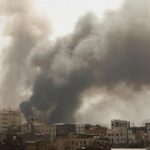
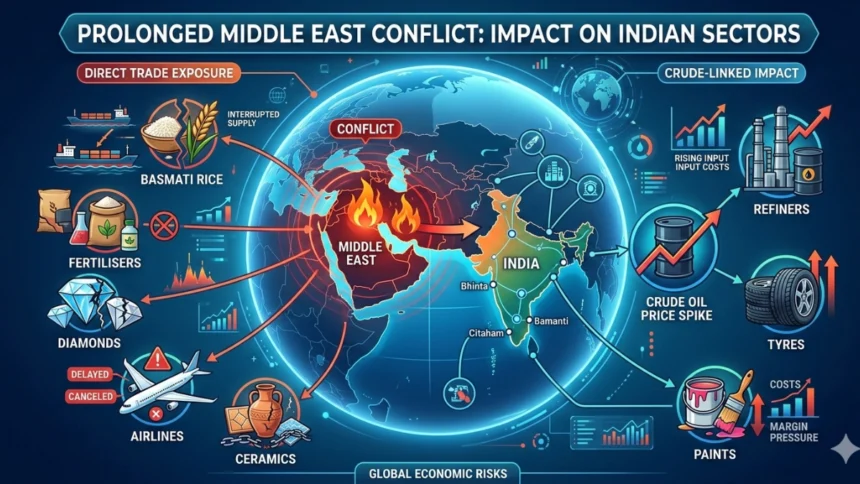
The world is about to experience another shock. Lives and livelihoods in the Middle East and abroad are being disrupted by the conflict. For many economies that had only just begun to show indications of a sustainable recovery from earlier crises, it is also worsening the outlook.
The shock is asymmetrical but worldwide. Poorer nations are more vulnerable than wealthier ones, energy importers are more vulnerable than exporters, and those with small buffers are more vulnerable than those with large reserves.
Quick Fact
| Main Issue | Rising energy costs and global inflation risks |
|---|---|
| Affected Regions | Asia, Europe, Africa, Latin America, and the Middle East |
| Key Factors | Higher oil, gas, food, fertilizer, and transportation costs |
| Most Vulnerable | Low income households and energy importing countries |
| Economic Risks | Higher inflation, reduced purchasing power, and slower growth |
| Future Outlook | Depends on the duration of the conflict and energy supply disruptions |
War’s Impact on Global Energy and Economies
In addition to its terrible human cost, the conflict has seriously disrupted the economies of the nations most immediately impacted, causing potentially permanent harm to their infrastructure and businesses. Despite their resilience, these nations’ short-term economic prospects will be adversely impacted.
Large energy importers in Asia and Europe, on the other hand, are suffering the most from rising fuel and input prices. Approximately 25 to 30 percent of the world’s oil and 20 percent of its liquefied natural gas travel through the Strait of Hormuz, meeting demand in both Asia and certain areas of Europe.
Tighter financial circumstances and increased costs for food and fertilizer put further hardship on parts of the Middle East, Africa, Asia-Pacific, and Latin America. Particularly vulnerable to food insecurity are low-income nations; some may require further outside aid, even if it has been decreasing.
War Fuels Inflation and Deepens Global Economic Strain
The primary means of transmission is energy. The International Energy Agency claims that the damage to regional infrastructure and the de facto closing of the Strait of Hormuz have caused the worst disruption to the world oil market in its history. The impact on fuel-importing economies is similar to an abrupt, high income tax.
It is evident that the influence is multi-regional. Higher import costs, on top of already constrained fiscal space and external buffers, are putting pressure on energy-importing countries in Africa, the Middle East, and Latin America.
War Disrupts Global Supply Chains and Food Security
Supply networks for essential and non-energy inputs are also changing as a result of the conflict. Delivery periods are extended and freight and insurance expenses are increased when tankers and container ships are rerouted. Air‑traffic interruptions near important Gulf hubs damage worldwide tourists while adding additional degree of difficulty to businesses.
The burden will fall most heavily on the most vulnerable. Due to the fact that food makes up an average of 43% of consumption in low-income developing countries, compared to 25% in emerging market economies and 12% in advanced economies, people in these countries are most vulnerable to price increases. Because of this, every increase in the cost of food and fertilizer is not only economic.
War Threatens Global Inflation and Economic Stability
Increased input and transportation expenses eventually find their way into the cost of produced goods and services. This raises the possibility of another period of painful pricing pressures for many nations that have just recently gotten inflation closer to goal, and especially for those with stickier inflation.
The pattern is inconsistent here as well. Increased oil and food prices will put most of Asia and portions of Latin America, where inflation has been relatively low, to the test.