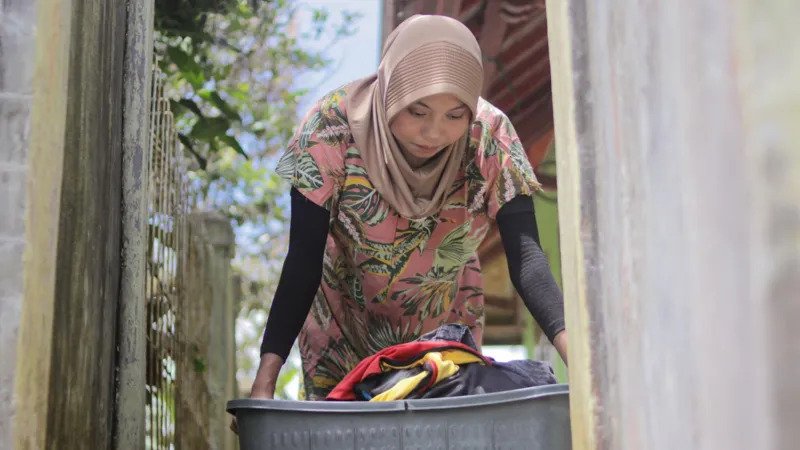
Parliament passes long-awaited protection law
Indonesia has approved a landmark law that formally recognises domestic workers as protected employees, ending more than two decades of advocacy. The legislation covers millions of workers who were previously excluded from national labour protections.
The new law follows a long campaign that began in 2004 and faced repeated delays before gaining momentum again in 2020. Advocates say its approval marks a major shift in how domestic work is viewed in the country.
Millions of women gain legal protection
Indonesia has around 4.2 million domestic workers, and nearly 90 percent are women. Many of them have worked without formal contracts or legal safeguards, often under informal arrangements.
With the new law, domestic workers will now be eligible for health insurance, pensions, and guaranteed rest days. The law also bans wage deductions by placement agencies and sets the minimum hiring age at 18, aiming to reduce child labour in the sector.
Emotional response from workers
The decision triggered emotional reactions among domestic workers who have waited years for recognition.
One worker described the law as the result of a long struggle for dignity and protection. Others said they finally felt seen after years of uncertainty and lack of legal rights.
Rights groups warn implementation is key
Labour rights organisations welcomed the legislation but stressed that enforcement will be crucial. They warned that legal recognition alone will not immediately solve long standing issues such as low wages and workplace abuse.
One advocacy group noted thousands of reported cases of violence against domestic workers in recent years, including both physical and psychological abuse. It also called for public awareness campaigns so employers clearly understand their new responsibilities.
One year for full implementation
Government regulators now have one year to develop detailed rules for enforcing the law. These guidelines will determine how protections are applied in practice across the country.
Experts say the real impact of the law will depend on how effectively it is implemented and whether domestic workers can actually access the rights now guaranteed on paper.