
Iranian Footballers Become Australian Citizens
Australian citizenship has been granted to two Iranian female football players who openly disobeyed their country.
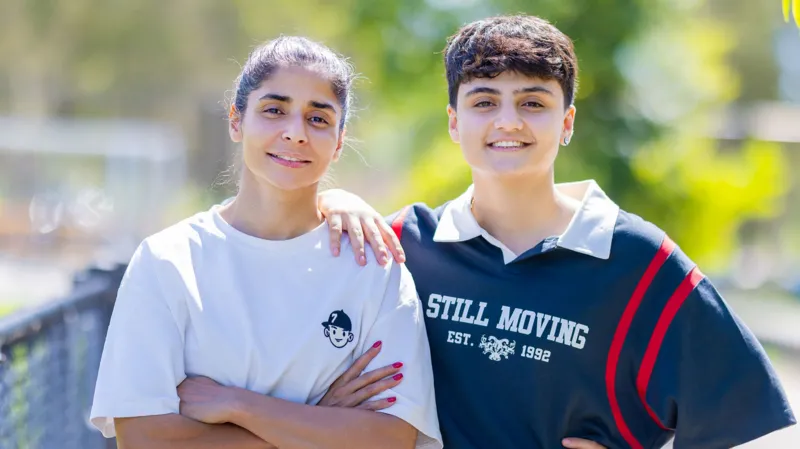
On Wednesday, Atefeh Ramezanisadeh, 34, and Fatemeh Pasandideh, 22, became naturalized in Brisbane, Queensland.
It was a “truly special and unforgettable day,” according to Ramezanisadeh. “This moment means more than words can express,” according to her teammate.
While in Australia for the Women’s Asian Cup in March, they were one of seven Iranian national team members who were given humanitarian visas; But, the other five decided to return home.
Days after the US-Israeli war on Iran started. It was believed the squad might suffer consequences for not singing the Iranian anthem before their first game.
Authorities first offered the players the opportunity to apply for asylum due to pressure from the Iranian community in Australia. On the other hand, only Ramezanisadeh and Pasandideh ultimately accepted the offer.
The decision comes as the Australian government gets ready to impose stricter visa regulations in an effort to reduce immigration. Still, there was never any doubt that both would become citizens.
It is anticipated that the new regulations will prohibit visitors from requesting family visas and limit the employment.
Refugee organizations have criticized Australia’s present policies, claiming they jeopardize the safety of asylum seekers. While political rivals who pledge tougher immigration laws have increased pressure on the Australian government.
Tony Burke, the Australian interior minister, was present when Ramezanisadeh and Pasandideh received their citizenship certificates.
“It’s a fresh start and a location I’m honored to call home,” Pasandideh remarked.
Iranian Footballers Branded Traitors
The conflict back home, which started on February 28 when Israel and the US initiated coordinated airstrikes. They provided the backdrop for the drama surrounding the Iranian squad.
After footage of a host on state TV referring to the squad as “traitors” who should be punished for their silence during the Iranian anthem on March 2 surfaced. Worries about the team’s safety increased.
According to human rights advocates, the women who went back to Iran might have been coerced into changing their minds by threats against their families.
At the time, Iran’s sports ministry said that the returnees’ “national spirit and patriotism” had “defeated the enemy’s plans” against them.