Rising Tensions Across the Region
At least 15 people have died after violent clashes broke out between protesters and security forces in Pakistan administered Kashmir. Officials confirmed that 11 civilians and 4 security personnel were among the dead.
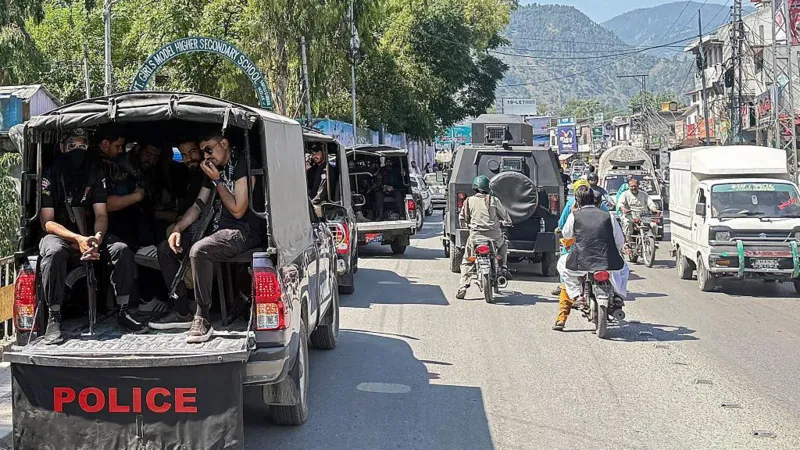
An uneasy calm now sits over several districts. Security presence has increased sharply, and movement in many areas remains restricted.
What Sparked the Protests
The unrest began after activist groups opposed reserved seats in the regional assembly. These seats are allocated to refugees from Indian administered Kashmir who settled in Pakistan decades ago.
The Joint Awami Action Committee led the protest movement. It demanded that all legislative seats be given to residents living inside the region. The group argued that the current system limits local political representation.
Authorities responded strongly. They accused the group of sedition, banned it, and announced rewards for the arrest of its leaders.
Mass Mobilization and Government Response
Despite restrictions, large crowds still gathered. More than 10,000 protesters marched toward key areas, including routes leading to the regional capital Muzaffarabad.
Officials blocked the advance and deployed heavy security across major roads. In Rawalkot, authorities reported that a large convoy remained stationed several kilometers outside the city.
Local administration also ordered residents to stay indoors. Mosques in several towns broadcast announcements urging people to avoid movement due to safety concerns.
Helicopters conducted surveillance flights over Muzaffarabad and surrounding areas as security tightened further.
Escalating Security Situation
Authorities say they are working to maintain order and prevent further escalation. However, tensions remain high, and fears of renewed clashes continue.
In a separate incident, a helicopter crashed in Muzaffarabad, killing all 22 people on board. Military officials attributed the crash to a technical fault shortly after takeoff.