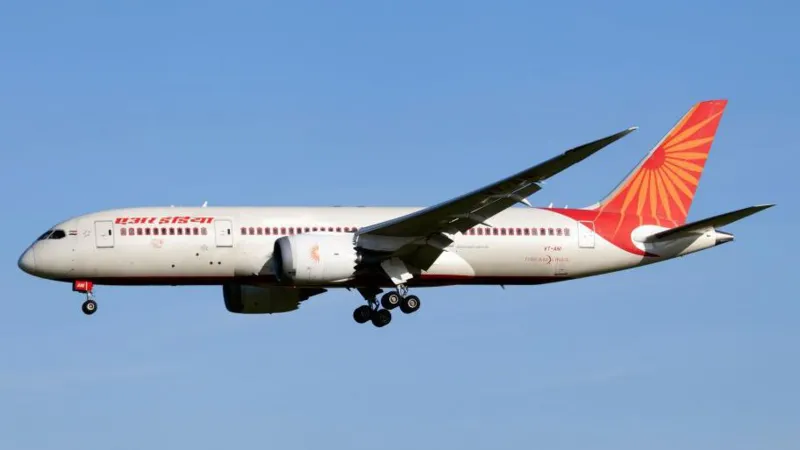
A major debate continues over what led to the crash of Air India Flight 171, which went down shortly after take off from Ahmedabad’s Sardar Vallabhbhai Patel Airport in Gujarat. The tragedy, which happened on a hot and dry afternoon on 12 June last year, left 249 people dead, including passengers and crew, and also claimed lives on the ground.
What Happened During Take Off
The aircraft was carrying 230 passengers and 10 crew members on a long haul journey to London. Among the passengers were 169 Indian nationals and 53 British citizens.
The flight appeared normal as it began its departure. CCTV footage and videos shared online show the plane lifting off smoothly. However, instead of climbing, the aircraft seemed to struggle to gain height. It briefly stayed in the air before slowly descending.
Within seconds, the plane disappeared behind nearby trees and buildings. A large fireball and thick smoke followed, confirming a catastrophic crash. Only one passenger survived.
Crew on Board
On the cockpit were Captain Sumeet Sabharwal, a highly experienced pilot, and First Officer Clive Kunder. Despite their combined experience, the aircraft lost control just 32 seconds after take off.
Investigation Underway
India’s Aircraft Accident Investigation Bureau (AAIB), under the Ministry of Civil Aviation, is leading the official investigation. International aviation rules state that the country where the crash happens is responsible for the inquiry.
Support is also coming from international agencies. The US National Transportation Safety Board (NTSB) is involved, along with experts from Boeing, GE Aerospace, and the Federal Aviation Administration.
Their role is to assist with technical analysis, not to assign blame.
What Investigators Focus On
Under global aviation rules, investigations aim to prevent future accidents rather than determine legal responsibility. Authorities are examining flight data, engine performance, and cockpit actions to understand what went wrong in those critical seconds after take off.