
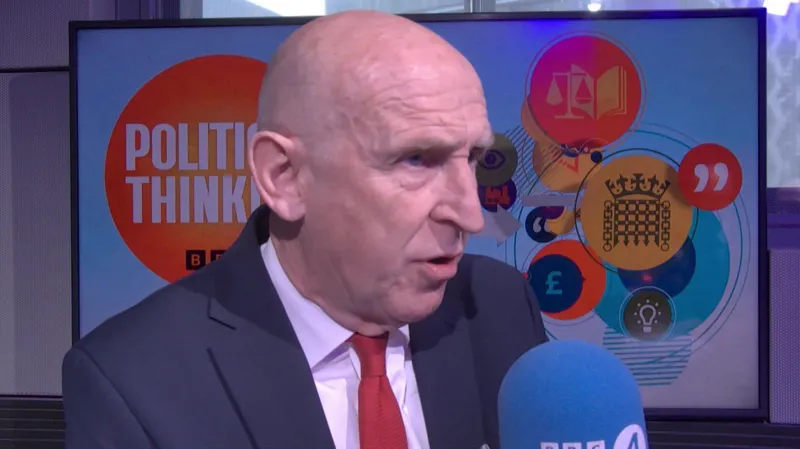
Former Defence Secretary John Healey has criticised the Treasury for treating defence spending as a financial burden instead of a powerful source of economic growth. He argued that stronger investment in the UK’s defence sector could boost innovation, create skilled jobs, and strengthen the country’s industrial base.
Healey Blames Treasury for Blocking Higher Defence Spending
Healey stepped down from his cabinet role after disagreements over the government’s long delayed Defence Investment Plan (DIP). According to him, the plan failed to provide the level of military funding needed to meet the UK’s future defence commitments.
The latest version of the Defence Investment Plan increased funding to £15 billion. However, the government still needs to find an additional £4.7 billion in the next budget to deliver its promises.
Despite the increase, Healey believes the plan still falls short. He wanted the government to commit to spending 3% of the UK’s Gross Domestic Product (GDP) on core defence by 2030.
NATO Spending Commitments Remain a Key Concern
At the 2025 NATO Summit held in The Hague, the UK and other member nations agreed to increase defence and security spending to 5% of GDP by 2035.
Healey believes the government should move faster instead of delaying major spending increases until the mid 2030s. He warned that waiting too long could weaken the UK’s ability to meet its international commitments.
Defence Investment Can Support Economic Growth
Healey rejected the idea that defence spending only increases public costs. He said investment in defence technology, manufacturing, and innovation can generate long term economic benefits.
According to him, expanding the defence industry would encourage research, attract investment, create high quality jobs, and help modernise British manufacturing. He argued that these benefits make defence spending an important contributor to economic growth rather than simply another government expense.
Treasury Approach Faces Fresh Criticism
Healey also criticised what he described as the Treasury’s traditional approach to government spending. While he praised Treasury officials for their expertise, he argued that long standing financial thinking has slowed important investment decisions.
He said the Treasury continues to underestimate the importance of defence funding and has not fully recognised the UK’s commitments to NATO.
The debate over military spending is expected to continue as ministers prepare the next budget. With billions of pounds still required to fund future defence plans, pressure is likely to grow on the government to balance public finances while meeting its defence promises.