Questions Grow Over FIFA’s Unexpected Decision
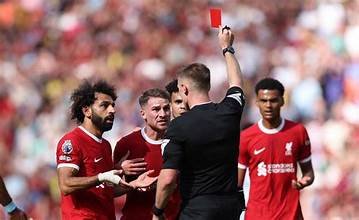
FIFA has come under heavy criticism after allowing United States striker Folarin Balogun to play against Belgium in the World Cup Round of 16. Balogun received a red card during the USA’s last 32 victory over Bosnia and Herzegovina. Under normal tournament rules, a player who receives a red card automatically misses the next match.
Instead, FIFA suspended Balogun’s one match ban, making him eligible for the crucial knockout game. The decision surprised football fans, players, and officials because FIFA rarely changes automatic World Cup suspensions.
Rare Decision Creates Major Debate
Throughout World Cup history, players who receive red cards almost always serve a suspension. Only one similar case happened in 1962 when Garrincha played in the final after his dismissal in the semi final.
This latest decision has sparked fresh debate about whether the rules apply equally to every team. Many people now wonder if future red card suspensions could also face appeals.
Trump’s Reported Conversation Adds More Questions
Reports claim that United States President Donald Trump spoke with FIFA President Gianni Infantino before the suspension was lifted. Although no evidence confirms political influence over the final ruling, the timing has raised concerns among football supporters and officials.
Because FIFA has not explained why Balogun received special treatment, speculation continues to grow across the football world.
FIFA Provides No Detailed Explanation
FIFA only referred to Article 27 of its disciplinary code when announcing the decision. This article allows the organization to suspend or reduce disciplinary penalties in certain situations.
However, FIFA did not explain why Article 27 applied in this case. The governing body also failed to clarify why Balogun received only a suspended one match ban when the disciplinary code normally recommends at least a two match suspension for serious foul play.
The lack of transparency has left many unanswered questions about how the final decision was made.
Previous Cases Were Different
Before this World Cup, FIFA reduced suspensions for several players during qualification matches. One well known example involved Cristiano Ronaldo, who received a partial suspension after a qualifying red card.
However, Balogun’s situation differs because his dismissal happened during the World Cup itself. Many football experts believe tournament matches should follow stricter and more consistent disciplinary rules.
Belgium Voices Strong Objections
The Belgian Football Association strongly criticized FIFA’s decision. Officials argued that tournament regulations clearly state players sent off during a match must miss the following game.
Belgium head coach Rudi Garcia also questioned the ruling, saying football should apply the same rules to every nation. The federation believes FIFA used its disciplinary powers to override the competition’s established regulations.
Consistency Concerns Continue
The decision has also raised concerns among other teams. Several players at this World Cup served automatic suspensions after receiving red cards.
One notable example involved Assim Madibo of Qatar, who received a five match suspension after an incident that seriously injured Canada’s Ismaël Koné. Many observers now question why Balogun’s punishment received different treatment.
Uncertainty Over Future Tournament Rules
FIFA’s decision has created uncertainty about how future disciplinary cases will be handled. Without a clear explanation, football fans, players, and national associations may continue to question whether tournament rules remain consistent for every team.
As debate continues, many believe FIFA should provide a full explanation to protect the credibility and fairness of the World Cup.