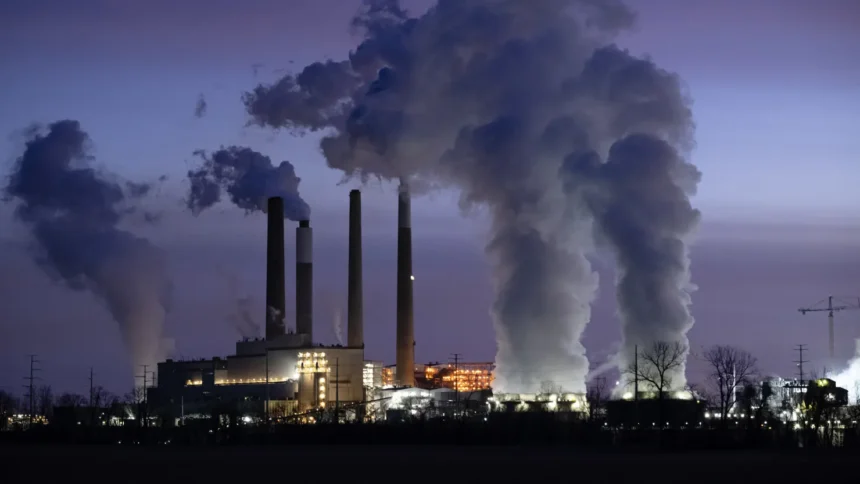
The Trump administration has repealed Biden era limits on greenhouse gas emissions from power plants. The Environmental Protection Agency announced the move on Monday.
The EPA also proposed ending all remaining federal rules that limit greenhouse gas emissions from the power sector. The proposal could affect how future administrations regulate power plant pollution.
Quick Fact
| Detail | Information |
|---|---|
| What happened | The EPA repealed Biden era climate rules for power plants. |
| When | Monday |
| Where | Houston, Texas |
| Who is involved | The EPA, Trump administration, Biden administration, and US power sector |
| Current status | The Biden era limits have been repealed, while the broader proposal is still pending. |
| Why it matters | The changes could reshape US power plant emissions policy and future energy decisions. |
Trump Moves to End Power Plant Rules
The Biden administration introduced rules aimed at cutting carbon dioxide emissions from power plants. Those rules required existing coal plants and new natural gas plants to control up to 90% of their carbon dioxide emissions.
The Trump administration now wants to remove those requirements.
EPA officials also support a broader policy change. It would end federal regulation of greenhouse gas emissions from power plants based on climate concerns.
The administration argues that the Clean Air Act does not give the federal government enough authority for this type of regulation.
Trump Moves to End Power Plant Rules
Power plants rank among the largest sources of carbon dioxide emissions in the United States. Transportation produces more carbon dioxide emissions, according to the EPA information cited in the original report.
Energy Secretary Chris Wright and Interior Secretary Doug Burgum are also involved in the administration’s wider energy agenda.
The officials met with G20 counterparts in Houston, Texas, to discuss energy issues.
The administration says fewer regulations could give energy producers more freedom. Critics are likely to focus on the possible effects on emissions and climate policy.
The Biden administration introduced several environmental rules for the power sector. The aim was to reduce pollution from fossil fuel-based electricity generation.
Trump has taken a different approach to energy policy. His administration has worked to expand coal and natural gas production.
It has also supported higher crude oil production. At the same time, the administration has challenged several policies that support renewable energy projects.
Power Rules Could Reshape US Energy Sector
The policy could have a major effect on the US energy sector.
Power companies may face fewer federal requirements when planning future projects. Coal and natural gas producers could also gain more flexibility.
The decision may also influence electricity prices, depending on energy markets and future power generation.
Environmental groups are expected to argue that weaker rules could slow efforts to reduce greenhouse gas emissions.
The debate could become more important as the United States decides how to balance energy costs, reliability, and climate concerns.
EPA Proposal Faces Legal Challenges
The EPA still needs to complete the broader proposal before it becomes final.
Future administrations could also revisit the policy. The final outcome may depend on federal courts, Congress, and future changes in US energy policy.
The Trump administration has taken another major step away from Biden era climate regulations for power plants.
The EPA says the change could support lower electricity costs and greater energy production. Environmental concerns and legal challenges will likely remain central to the debate.