Trump questions US military presence in Germany
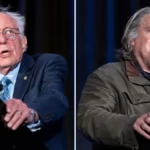
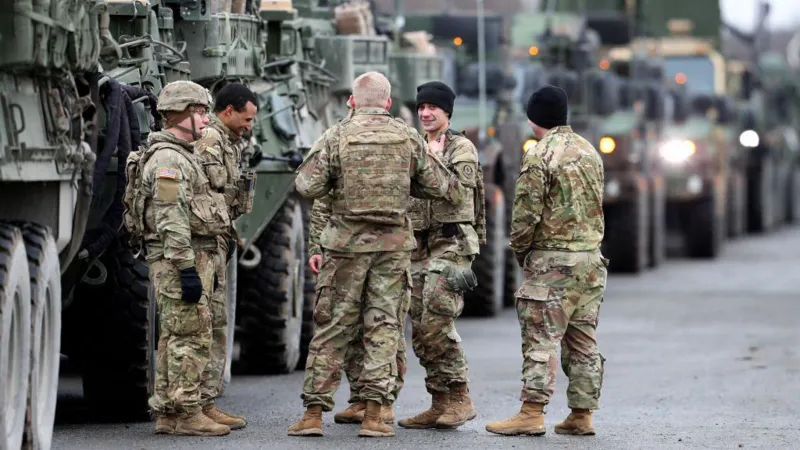
Donald Trump has said the United States is studying possible troop reductions in Germany. He linked the idea to wider disputes with European Nato allies and growing political friction with German leader Friedrich Merz.
Trump used social media to criticise Merz, accusing him of misunderstanding the Iran nuclear issue. He also claimed Germany is struggling economically and suggested its leadership should focus on domestic problems such as immigration and energy.
Clash deepens between Trump and Friedrich Merz
Merz responded cautiously after the comments. He said his personal relationship with Trump remains stable, despite public disagreements. He has not directly addressed the latest suggestion about troop cuts.
Trump also argued that Merz supports positions that weaken efforts to stop Iran from developing nuclear weapons. The exchange adds to growing strain between Washington and Berlin over security and foreign policy.
US troops in Germany remain central to Nato strategy
The United States maintains its largest European military presence in Germany, including key bases such as Ramstein near Kaiserslautern. About twelve thousand US troops are stationed in Italy, while around ten thousand are based in the United Kingdom.
Past US plans to reduce troop levels in Germany did not move forward. A major proposal in 2020 aimed to shift twelve thousand troops elsewhere or bring them home. Congress blocked the plan and later the Biden administration reversed it.
Defence spending and Nato tensions
Trump has previously criticised Germany for not meeting Nato defence spending targets. However, Germany has increased its military budget significantly. Officials expect spending to reach about 3.1 percent of GDP next year.
Trump has also questioned Nato unity and described the alliance in harsh terms. He has suggested possible penalties for countries he sees as not fully supporting US policy goals, including during the conflict involving Iran.
A Nato official stated that the alliance rules do not allow suspension or expulsion of member states.