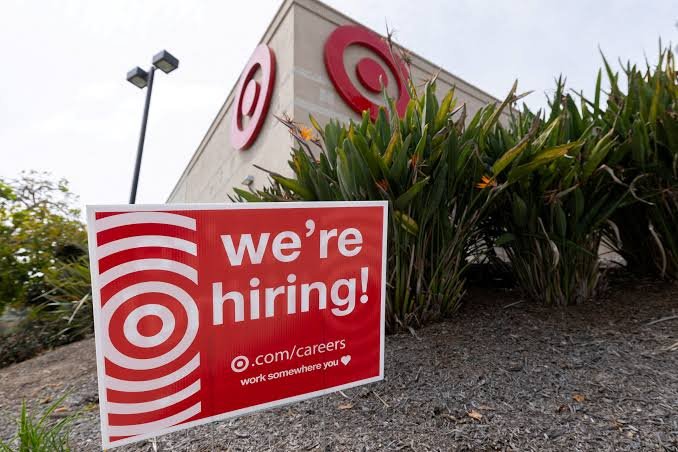
A strong U.S. jobs report for August pushed Treasury yields higher and increased speculation that the Federal Reserve could raise interest rates later this month.
Nonfarm payrolls rose by 162,000 jobs, far above market expectations, while the unemployment rate remained steady at 4.1%. Investors now await upcoming inflation data before the Federal Reserve’s September policy meeting.
Quick Fact
| Detail | Information |
|---|---|
| What happened | U.S. job growth accelerated sharply in August, pushing Treasury yields higher. |
| Where | United States |
| When | August 2026 jobs report, released Friday |
| Who is involved | U.S. Labor Department, Federal Reserve, investors and financial markets |
| Current status | Markets are closely watching inflation data before the Federal Reserve's September meeting. |
| Why it matters | Strong employment growth could give the Federal Reserve more room to consider higher interest rates. |
Strong U.S. Jobs Report Surprises Markets
The U.S. economy added 162,000 jobs in August, beating expectations by a wide margin. Economists had expected a much smaller increase of 56,000 jobs.
The July employment figure was also revised higher. This suggested that hiring remained stronger than previously thought during the summer.
The unemployment rate held steady at 4.1%. That result added to signs that the U.S. labor market remains stable.
The stronger than expected report quickly affected financial markets. Treasury yields moved higher as investors reassessed the chances of another Federal Reserve interest rate increase.
Key Signals From the August Jobs Report
The August jobs report delivered several important signals about the U.S. economy:
- Nonfarm payrolls increased by 162,000 jobs.
- Economists had expected an increase of about 56,000 jobs.
- July’s employment figure received an upward revision.
- The unemployment rate remained at 4.1%.
- The two year Treasury yield rose following the report.
- The dollar index also moved higher.
- Gold prices fell as investors reacted to changing interest rate expectations.
Interest rate futures showed that the probability of a Federal Reserve rate increase at the September 15 and 16 meeting increased after the jobs data. However, inflation figures remain the most important factor before policymakers make their decision.
Why Jobs Data Affects Interest Rates
The Federal Reserve monitors employment and inflation when setting interest rate policy.
A strong labor market can reduce concerns about an economic slowdown. At the same time, continued job growth may allow the Fed to focus more heavily on inflation.
Higher interest rates can slow borrowing and spending. The Fed may use them to control inflation when prices rise too quickly.
However, raising rates can also increase borrowing costs for households and businesses. That makes every major jobs and inflation report important for investors and policymakers.
The strong August employment numbers show that the U.S. economy still has momentum.
For investors, the report creates uncertainty because strong economic data can increase the chances of higher interest rates. That often puts pressure on stocks and raises government bond yields.
Consumers could also feel the effects of future rate decisions. Higher interest rates can make mortgages, loans, and other borrowing more expensive.
Businesses are also watching closely. Higher borrowing costs can affect investment plans, hiring decisions, and future growth.
What Happens Next for Interest Rates?
The next major event will be the release of U.S. inflation data, including the Consumer Price Index.
Investors will study those numbers for signs that inflation is rising or slowing. The results could strongly influence the Federal Reserve’s next decision.
The Fed is scheduled to hold its policy meeting on September 15 and 16. Until then, markets are likely to remain sensitive to new economic data.
The Federal Reserve now faces another important decision. While the jobs report showed economic strength, upcoming inflation data will likely play a major role in determining whether interest rates stay unchanged or move higher.