
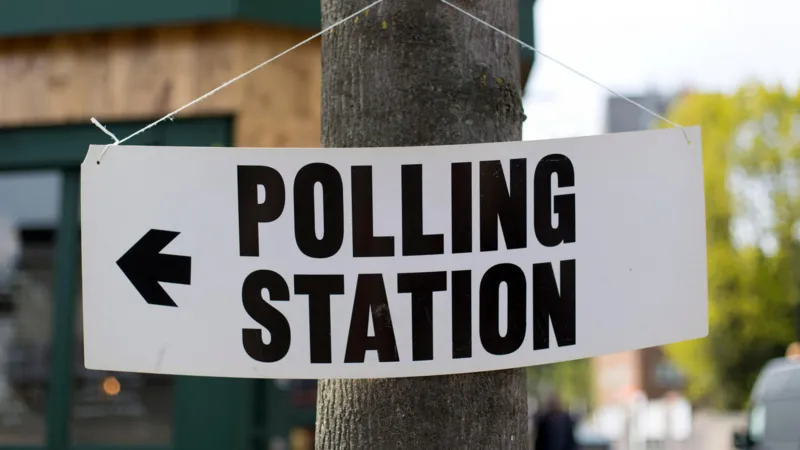
Last Day of Campaigning Across Britain
Political parties across England, Scotland, and Wales are making their final appeal to voters ahead of a major election day. Campaigning has now entered its final stretch as candidates work to secure support before polling stations open.
Voting Day and Key Details
People will cast their votes on Thursday 7 May. Polling stations will be open from 7am to 10pm. Counting will begin soon after voting ends, with most results expected on Friday and continuing into the weekend.
These elections are the largest public test of political opinion since the general election in 2024. They cover local councils in England as well as national leadership contests in Scotland and Wales.
What Is at Stake for Voters
The election outcome will decide who manages essential public services. These include schools, transport systems, waste collection, and social care.
Beyond local services, the results are also seen as a measure of public satisfaction with the current Labour government and Prime Minister Sir Keir Starmer. Political pressure has increased in recent months, and attention is now on how voters respond.
Scotland: Competition for Government Control
In Scotland, the Scottish National Party is aiming to secure another term in government. It is seeking its fifth consecutive win in devolved elections. At the same time, Labour and Reform UK are trying to reduce its dominance and gain stronger support.
Wales: A Shifting Political Landscape
Wales is seeing a competitive race for political leadership. Reform UK and Plaid Cymru are both aiming to become the largest party in the Senedd. Labour, which has governed since devolution began in 1999, is facing its strongest challenge in years.
England: Pressure on Local Councils
In England, Labour currently leads many councils that are now up for election. The party could lose ground to Reform UK and Green Party candidates. Local issues and national sentiment are both expected to influence voter choices.
Growing Fragmentation in Voter Support
Opinion surveys suggest that voter support is becoming more divided across multiple parties. This reflects a broader change in British politics, where traditional voting patterns are weakening and smaller parties are gaining influence.
Political Uncertainty Ahead
There is growing discussion about possible leadership pressure within Labour if results fall sharply below expectations. While no formal challenge has been confirmed, poor outcomes could increase internal tensions.