New Rules Aim to Improve Sleep and Online Safety
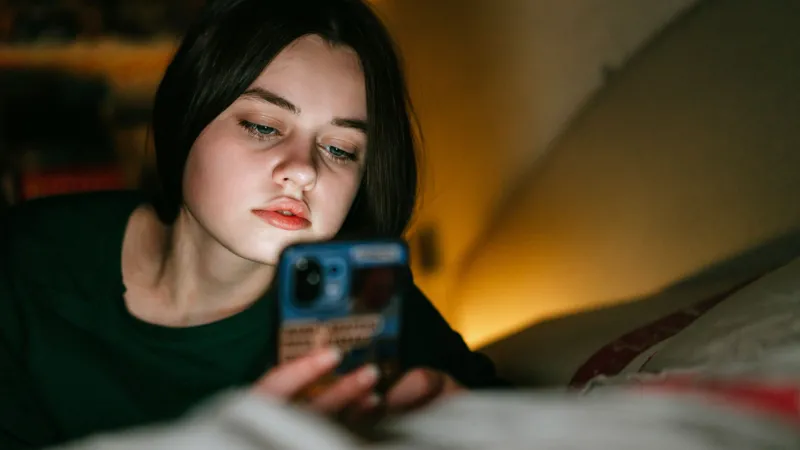
The UK government has announced plans to introduce a default overnight social media curfew for teenagers aged 16 and 17. Under the proposal, popular platforms such as Instagram, TikTok, and YouTube would automatically become unavailable between midnight and 6:00 am.
Teenagers would still have the option to disable the restriction by changing their account settings. Officials say the goal is to encourage healthier digital habits while reducing late night screen time.
Addictive Features Could Be Switched Off by Default
Alongside the curfew, the government wants social media companies to turn off features that encourage long periods of scrolling. These include autoplay videos and infinite scroll, which often keep users engaged for extended periods.
Ministers believe these changes could help teenagers sleep better, improve concentration during the day, and support stronger family relationships by reducing excessive screen use.
Campaigners Want Stronger Online Protection
Not everyone believes the proposal goes far enough.
Ellen Roome, whose 14 year old son Jools Sweeney died in 2022 after taking part in an online challenge, has called for stricter action. She argued that allowing teenagers to switch off the safety settings weakens the effectiveness of the plan.
According to Roome, stronger protections are needed because young people can easily remove restrictions if they choose.
Part of a Wider Online Safety Strategy
The proposal follows an earlier government announcement made in June that would ban children under the age of 16 from using several social media platforms.
These measures form part of a wider effort to improve online safety for young people. Existing protections already include optional parental controls on devices and child friendly versions of services such as YouTube.
The government says combining different safety measures will help create a healthier online environment for children and teenagers.
Experts Say the Plan Responds to Parents’ Concerns
Internet law experts believe the proposal reflects growing concern among parents and child safety groups about the amount of time teenagers spend on social media.
Experts have warned that apps designed to keep users engaged for long periods may affect sleep patterns, attention, and overall wellbeing. They believe reducing overnight access could encourage healthier routines while giving families more control over screen time.
What Happens Next?
The proposed curfew has started a wider debate about how governments and technology companies should balance online freedom with child safety. While supporters see the plan as a positive first step, critics argue that optional restrictions may not provide enough protection.
The government is expected to continue discussions with technology companies before confirming how and when the measures could be introduced.