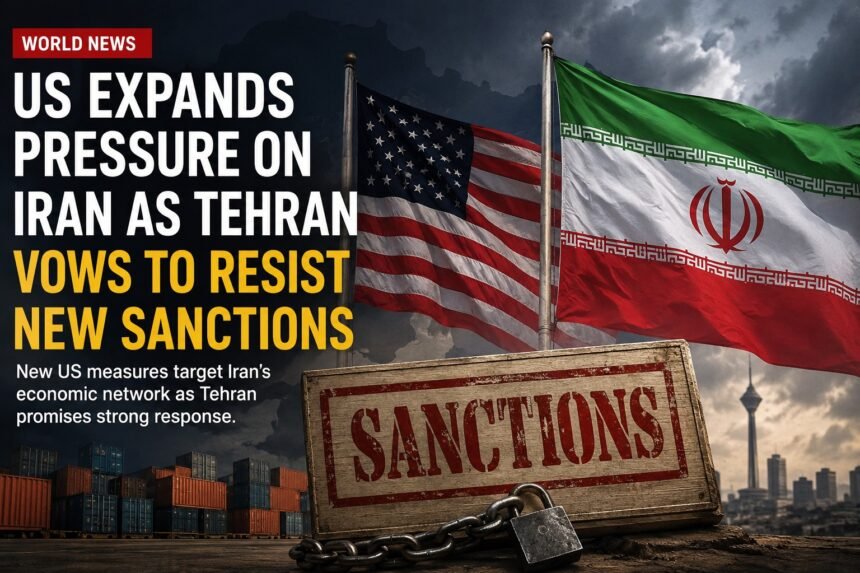
The United States has expanded economic pressure on Iran as tensions between Washington and Tehran continue to rise, with Iranian officials warning that the country will resist the latest sanctions and measures aimed at isolating its economy.
The latest developments have increased concerns about the impact on Iran’s international trade, financial relationships and the wider global economy.
US Targets Iran’s International Economic Network
Washington is seeking to put greater pressure on Iran by targeting economic activities and international relationships that help Tehran maintain access to global markets.
US Treasury Secretary Scott Bessent has warned countries and businesses involved in financing or supporting Iran that they could face consequences under the expanded sanctions campaign.
The strategy is intended to make it more difficult for Iran to conduct international trade and access financial resources.
Iran Rejects the Pressure
Iran has responded by vowing to resist the expanded US measures.
Iranian officials have accused Washington of attempting to damage the country’s economy and have indicated that Tehran will continue defending its economic and national interests.
The confrontation comes as the United States attempts to increase pressure on Iran while diplomatic efforts remain an important part of the wider dispute.
China and Other Trading Partners Face a Difficult Position
The consequences of the sanctions could extend beyond the United States and Iran.
China is one of Iran’s most important trading partners, particularly in the energy sector. Any attempt by Washington to impose secondary sanctions on companies or financial institutions dealing with Iran could therefore create tension between the United States and other major economies.
India and other countries with commercial relationships with Iran could also face difficult decisions if the US expands enforcement.
Possible Impact on Global Markets
Investors are closely watching the situation because additional restrictions on Iranian trade could affect energy markets and international commerce.
Oil prices have remained under pressure despite the geopolitical tensions, with market participants also considering weaker demand and broader economic conditions.
If the confrontation escalates further, markets could become more sensitive to developments involving Iran’s oil exports and regional trade routes.
What Happens Next?
The immediate focus will be on how strongly the United States enforces the new measures and how Iran’s major trading partners respond.
A broader sanctions campaign could increase pressure on companies operating between Iran and international markets, while stronger resistance from Tehran or its trading partners could further complicate relations between Washington and other major economies.
For now, the latest developments indicate that economic pressure is becoming an increasingly important part of the confrontation between the United States and Iran