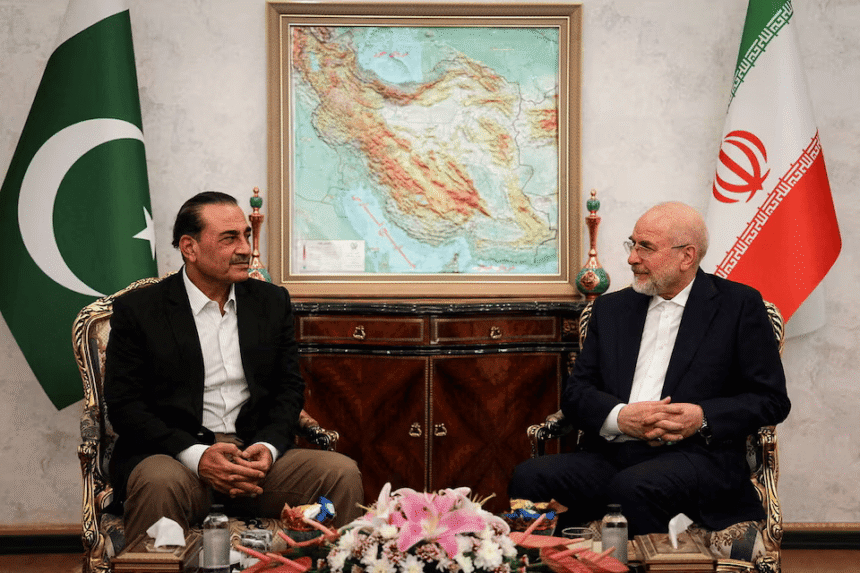
In negotiations to lower tensions and find a peaceful resolution to the ongoing conflict involving Iran, the United States, and Israel, Pakistan and Iran have made considerable strides.ni Interior Minister Mohsin Naqvi announced the development on August 25 after a high level visit to Tehran.
Pakistan’s army chief, Field Marshal Asim Munir, and Naqvi met Iranian President Masoud Pezeshkian and other senior Iranian officials during the visit. The discussions focused on stopping further escalation, restoring dialogue and reopening the Strait of Hormuz.
Quick Facts
| Detail | Information |
|---|---|
| What happened | Pakistan and Iran reported significant progress in talks on the regional conflict. |
| Where | Tehran, Iran |
| When | August 25, 2026 |
| Who is involved | Pakistan, Iran, the United States and Israel |
| Key Pakistani officials | Field Marshal Asim Munir and Interior Minister Mohsin Naqvi |
| Iranian leader involved | President Masoud Pezeshkian |
| Main issues | De escalation, regional peace and the Strait of Hormuz |
| Current status | Talks made progress, but no final peace agreement has been announced. |
| Why it matters | A diplomatic breakthrough could reduce regional tensions and help restore shipping through a major oil route. |
Pakistan and Iran Discuss Ways to End the Conflict
The Pakistani delegation traveled to Tehran as Islamabad increased its diplomatic efforts to break the deadlock in the conflict.
Munir and Naqvi held discussions with Iranian President Masoud Pezeshkian. Munir also met other senior Iranian officials during the one-day visit.
The talks covered the Iran-US conflict, wider Middle East tensions, and possible steps toward a settlement. Pakistani officials also discussed restoring the Islamabad Memorandum of Understanding as part of efforts toward a broader settlement.
Strait of Hormuz Becomes a Major Focus
The Strait of Hormuz was one of the main issues during the discussions.
The waterway is a major route for global energy shipments. Recent attacks and rising tensions have sharply reduced shipping activity through the strait.
Pakistan and Iran discussed steps to reopen the route and prevent further escalation.
Pakistan Pushes for Diplomatic Solution
Pakistan has been trying to support dialogue between the parties involved in the conflict.
Before the Tehran visit, Munir spoke with US President Donald Trump, according to earlier reporting. Trump had warned countries against providing support or economic lifelines to Iran.
Iran has faced growing economic pressure from US sanctions. Tehran has also warned that it could take further action affecting oil exports and shipping through the Gulf.
Pakistan’s military said the talks focused on several immediate priorities.
These included preventing another escalation, reopening the Strait of Hormuz and speeding up an end to the conflict. Both sides also discussed regional peace and the possibility of a negotiated settlement.
Iranian leaders also welcomed Pakistan’s efforts to promote dialogue and de-escalation.
What Happens Next in Pakistan Iran Talks
The next stage will depend on whether Pakistan can help maintain communication between Iran and other parties involved in the conflict.
For now, Pakistan says the Tehran meetings created positive momentum. Iran has also acknowledged Islamabad’s efforts to encourage dialogue.
Further negotiations will be needed before officials can reach a comprehensive settlement.
Pakistan Iran Talks Create New Diplomatic Momentum
Pakistan and Iran have reported significant progress after high level talks in Tehran focused on the ongoing regional conflict.
No final peace deal has been announced, but Pakistan says the talks created new momentum for diplomacy.