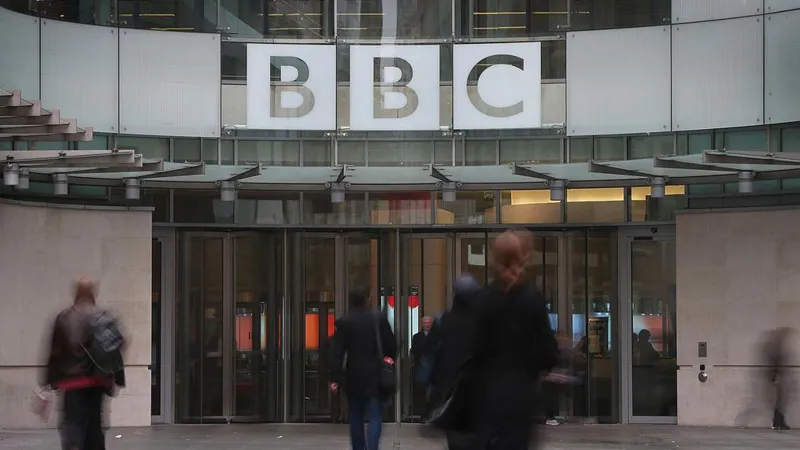
A major public broadcaster has revealed plans to cut 550 jobs as part of a wider strategy to save £500 million over the next two years. The move marks the first stage of a large restructuring programme that will affect news, television, radio, and digital operations.
The organization says the changes aim to reduce costs while adapting to shifting audience habits and the growing demand for online content.
News Division Faces Significant Changes
Around 200 positions will be removed from the news division, generating an estimated £25 million in savings. The restructuring will also lead to several changes in news production and presentation.
One major change involves the morning current affairs programme, which will reduce its permanent presenter lineup from five to four. Weekend broadcasts will also move to a single-anchor format on Saturdays.
In addition, production teams behind two well-known political and current affairs programmes will combine operations to improve efficiency.
Radio Programmes Set to End
Several long-running radio programmes will close during the next year. These include:
• The World Tonight
• Midnight News
• Money Box Live
• AntiSocial
• The Law Show
• Crossing Continents
On the World Service, listeners will also lose programmes such as The Inquiry, The Conversation, and The Fifth Floor.
From April, a new schedule will replace The World Tonight. Audiences will hear a domestic news bulletin at 10:00 PM, followed by a simulcast of the international news programme Newshour.
Weekend Television Schedule to Change
Sunday morning viewers will no longer see the traditional breakfast programme. Instead, the News Channel will fill that time slot beginning in September.
Weekend news production will become more streamlined. Some television bulletins will share resources across multiple platforms to reduce operating costs while maintaining coverage.
A review of chief presenter roles is also underway. Management says the goal is to balance audience expectations with value for money.
Digital Growth Drives New Strategy
The broadcaster plans to review its television channels and radio networks as more audiences move online. Leaders believe digital consumption will continue to grow in the coming years.
The organization will also reduce original programme output by 100 to 150 hours across various genres by the end of the 2027-28 financial year.
Audio content will face additional reductions. Around 350 to 400 hours of programming across stations and formats will be removed.
Newsnight Moves to Earlier Slot
Another notable change affects the flagship current affairs programme Newsnight. Friday editions will move to a prime-time 7:00 PM slot on BBC Two following recent format updates.
Meanwhile, the news channel will place greater emphasis on international coverage. The decision follows increasing viewership from audiences outside the United Kingdom.
The news website’s InDepth section will continue operating, but a smaller team will manage the platform as part of ongoing efficiency measures.
Looking Ahead
The latest restructuring reflects the challenges facing traditional broadcasters in a rapidly changing media landscape. Rising costs, digital competition, and changing viewing habits continue to reshape how news and entertainment organizations operate.
While the cost-saving measures will result in job losses and programme closures, management believes the changes are necessary to secure long-term sustainability and strengthen future digital growth.