
India’s once stable, balanced economy is under new stress due to the rising tensions and disruptions on global oil markets. This situation affects key areas such as currency strength, economic growth, and inflation.
Rupee Weakens Sharply
In the last year, the rupee of India has fallen to new lows. It has lost almost 10% in value against the US Dollar. The decline in the rupee is a reflection of investor worries and global uncertainties.Forecasts indicate that the rupee may weaken even further as tensions increase, adding pressure to the economy.
The cost of living is rising and inflation pressures are increasing
Imports become more costly when the currency is weaker. Fuel, food and other raw materials will be more expensive. Inflation is expected to rise, which will affect households and business.
By reducing taxes on fuel and changing export policies, the government has attempted to reduce prices. Despite this, the price of food is already rising, and disruptions in supply may increase pressures over the next few months.
The Growth Prospects Slow Down
If the conflict persists, India’s growth could be slower than previously anticipated. According to experts, the growth could fall by 1% because of higher costs and disruptions in supply chains.
The slowdown will also delay India’s aim of becoming the fourth largest economy in the world.
Imports of oil, gas, and other products will be affected
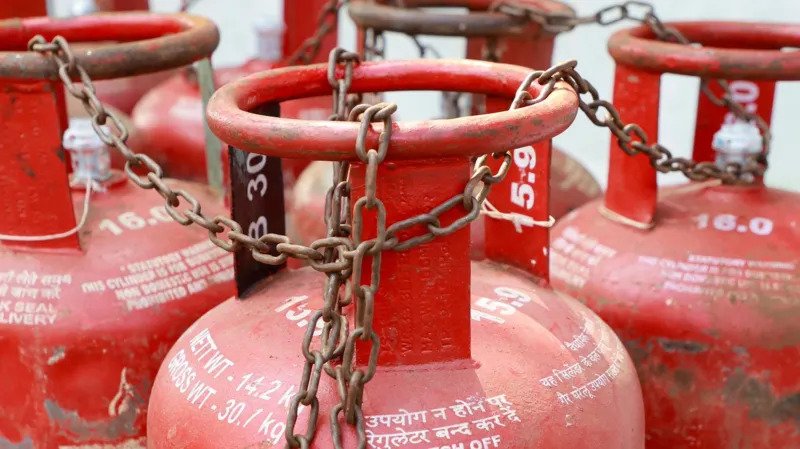
India is heavily dependent on Middle East energy and raw material. About 60% of India’s natural gas, and the majority of its liquefied petrol gas comes from this region. The region also imports large amounts of crude oil.
A disruption to these supplies poses risks to industries, agriculture and everyday life. Imports of fertiliser are also disrupted, impacting farming at key planting times.
Impact on Businesses and Jobs
Already, supply shortages have affected sectors such as hospitality, food processing and manufacturing. Several businesses have temporarily reduced their operations, or shut down.
Early signs suggest that there are shortages of fuel and gasoline in major cities. It could result in a shortage of workers and increased wages. This would put more pressure on businesses.
The Government’s Response to Challenges
Government has announced financial assistance measures including stabilization funds and subsidies on food and fertilizer. Experts believe that these measures may not be sufficient to offset the full impact of the crisis.
Reductions in government expenditures, including infrastructure spending, limit long-term opportunities for growth.