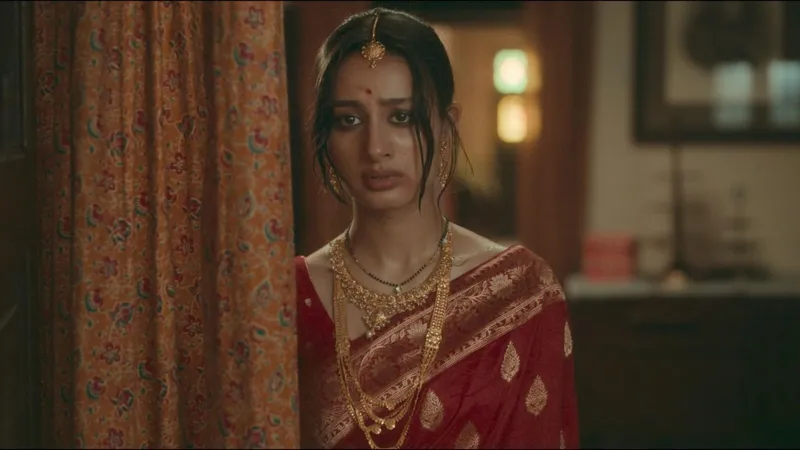
Chiraiya is a new Hindi webseries that has brought the issue of marital rape to India’s public attention. This show has been viewed by millions on major streaming platforms. The show has been one of the most discussed Hindi dramas over recent months.Online, the series has generated strong reactions. The series has sparked strong reactions online.
Chiraiya: Storyline
Two women, Kamlesh Pooja and Pooja have different views on gender roles.
Kamlesh, a homemaker in the traditional sense, believes that women should be focusing on their household duties. Pooja is educated, and she supports equality for women.
Pooja, Kamlesh’s cousin, marries Arun. He seems to be the perfect husband at first. Arun dismisses the concerns of Arun’s wife and says he did nothing wrong. He claims that marriage automatically gives him rights to her body.
Changes in the Views of Consent to Marriage
This series demonstrates how deep-seated beliefs can influence attitudes towards consent. Kamlesh initially accepts that marriage is a consent-based relationship.
She begins to doubt this belief as events progress. After witnessing Pooja’s pain, she slowly changes her position. She eventually supports Pooja, challenging the social norms that she had previously accepted.
It shows how stigma and silence often prevent victims from speaking up. The show also highlights how some families encourage their daughters to speak out rather than adjust.
The Legality of the Marital Harassment in India
According to official data, a significant number of Indian married women experience some form of sexual abuse during marriage. According to government figures, around 6,1% of all married women have reported such incidents.
In spite of the ongoing efforts by activists, rape in marriage is not a criminal offense in India. India remains one of the few nations that do not criminalize such crimes.
The gap in the law continues to be a source of debate for lawmakers, activists and members of the public.
Discussions on Social Media and Reactions
The publication of Chiraiya reopened the discussion about marriage consent. Critics claim it is a challenge to cultural norms, and family values. The series has highlighted the difference between women’s lived experience and legal systems.