A New View of Route 66
Chicago to Santa Monica – that’s where you’ll find Route 66 cutting across the land, still standing as one of America’s best-known roads. A century has passed since its start, yet fresh voices rise beside its lanes. Alongside old motels and faded signs, Indigenous people are stepping forward, bringing traditions back into view. Their presence changes what it means to move through these spaces, shifting the journey slowly, quietly.
Winding along, the path cuts close to tribal territories time after time. Still, native people and their enterprises rarely show up when folks tell tales of this famous stretch.
Native Foods and Traditions Returning in Oklahoma
Tulsa, Oklahoma has a place named Nātv where meals tell old stories in new ways. Not just cooking – Jacque Siegfried brings her Shawnee roots into every dish she shapes. Her hands follow ancient paths while knowing exactly when to turn toward fresh methods. This mix does not shout – it simply tastes right, like something remembered slowly. Tradition lives here without being trapped in the past. Each plate carries weight, yet feels light on the fork. Old ingredients meet sharp knives and steady fire. What shows up on the table stands balanced between then and now. No performance, only purpose behind each flavor chosen. Food moves through time at this counter, quiet but clear.
From the earth, she takes corn, beans, squash – roots in Native agriculture. Grown together, they feed the land just as much as people. This way of planting lifts soil life while tying growers closer through shared harvests.
Back then, lots of native food ways faded away slowly. These days, people are starting to rediscover those customs, passing them along again through stories and meals.
Route 66 And Native Lands
Half the stretch of Route 66 cuts through Native lands in multiple states. Yet, roadside shops and services run by Indigenous people are still few.
Out here, you’ll spot motels shaped like tipis, wooden figures standing by highways, artwork carved into signs. Yet most of these pieces miss what the 25 tribes from this land actually share, think, remember.
Out here, a fresh wave of travel ideas is taking root – built by Native voices, shaped through real stories. The space left open? It pulled something genuine into motion.
Reclaiming Tourism and Cultural Identity
Now weaving new paths through Route 66, the American Indian Alaska Native Tourism Association shifts how travelers see the road. With booklets pointing to dances, crafts, and gatherings, visitors follow stories beyond postcards. Along these stretches, culture moves not in displays but in shared moments shaped by those who live them.
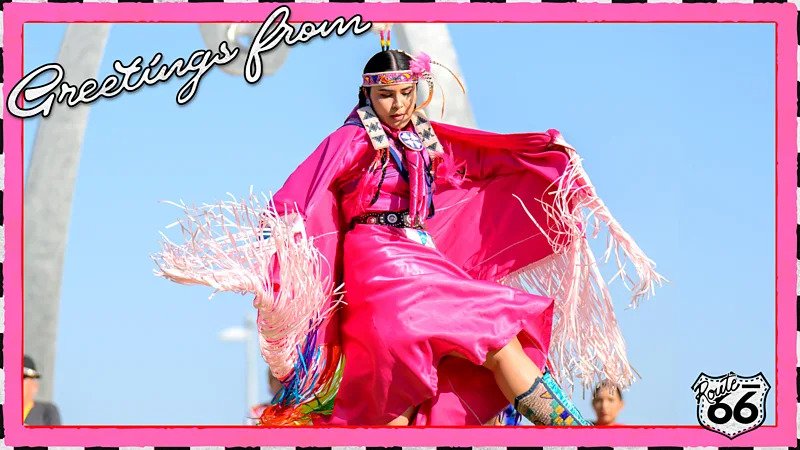
Among dusty roads of Arizona lies the Hopi Arts Trail, a path where hands shape clay into stories through pottery and weave strands into timeless baskets. Farther east, under open skies in Oklahoma, voices rise in rhythm at the Indian Nations Powwow – feet stomp in sync, garments swirl, cultures speak without words.
Nowadays, folks drawn to travel care about honest portrayals of local traditions. Respect matters most when stepping into Indigenous homelands – guidelines exist for a reason.
Travel with awareness and respect.
Walking through places held dear by First Nations people means acting with care. Where rituals unfold, snapping pictures might not be allowed – out of regard for long-standing ways. Quiet steps often speak louder than questions.
Wandering through stories of the past, visitors find ways to connect without disrupting. Each step taken with care opens doors to real conversations. Listening comes first when walking alongside people whose roots run deep. Respect grows where curiosity meets patience. Learning happens not by taking, but by being present. Moments matter most when they’re shared slowly.
Route 66 At 100 The Hidden Indigenous History Behind America’s Iconic Road