Japan loosens arms export rules
Now stepping back from decades of peace focused policy, Japan shifts course. With new approval, weapon trade rules loosen under state direction. Because of this move, sales reach further across global borders. Fewer barriers open wider markets for defense goods.
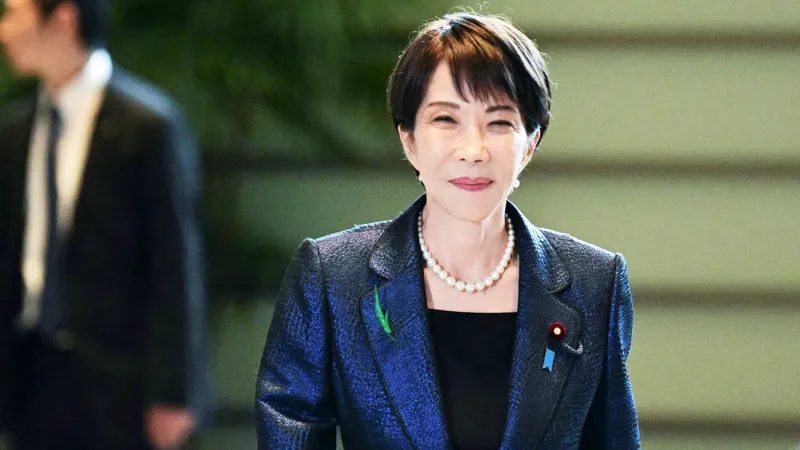
Out of power since late 2025 comes Prime Minister Sanae Takaichi, steering this change. Because of rising tensions nearby, her government insists the shift makes sense now.
Years went by while Japan said yes to just a few kinds of military gear leaving its borders. Rescue tools, transport machines, eyes in the sky, alert networks, plus devices that clear sea mines – these were the exceptions. Today, that old line has vanished.
Wider access to global defense partners
Now able to send deadly arms, Japan works under deals with 17 nations. Among them stand long-standing partners such as the U.S. and Britain.
One reason behind the move? Building stronger ties with allies seen as reliable. Another aim shows up in efforts to boost joint military readiness across the area.
Even now, Japan holds firm on not selling arms to nations in ongoing wars. Still, rare openings might appear when close defense ties are already in place.
Government defends the decision
Peace still matters most, Takaichi made clear. Following long held beliefs guides how the country moves forward, she noted. A quiet strength shapes Japan’s path, one built on calm choices. Standing firm on principle isn’t new here – it runs deep. The future stays rooted in that same steady mindset.
Even so, she stressed how threats have shifted over time. In her view, staying safe now demands teamwork between nations. Because of this, Japan aims to boost joint military efforts – though every step will be weighed closely.
Backed by Chief Cabinet Secretary Minoru Kihara, the initiative got a nod. Peace in the area matters just as much as national safety, he noted.
China raises concerns
Out of nowhere, China pushed back against the choice. Beijing’s leaders called it a gamble, stressing how arms buildup could spiral.
Watchful eyes remain on Japan, from China’s perspective. Should moves arise that risk heating things up, firm resistance follows.
Rising tensions in the region
Mid drills with Japan, the U.S., and the Philippines, news breaks. Not just watching this round – Japan’s defense units dive straight into action. Once limited to sidelines, they now move as full players alongside allies.
Floating just beyond contested zones, these exercises unfold in seas Beijing says belong to it. Nearby lies an island often at the center of tension.
Across the strait, Beijing sees Taipei as part of its own land. Should talks fail, military action stays on the table. Tensions simmer because of this standoff, shaping much of Asia’s political climate.
Before, Takaichi hinted Japan might act with force should China move on Taiwan. Her words only widened the gap between Tokyo and Beijing.
A clear policy shift
Now Tokyo chooses a different path in military stance. With this shift comes a broader reach into world safety efforts.
Peace may be their stated goal, yet actions suggest Japan is bracing for what comes next. Though officials repeat their commitment, readiness grows behind the scenes.
Japan Eases Arms Export Rules, Signals Shift From Post War Pacifism