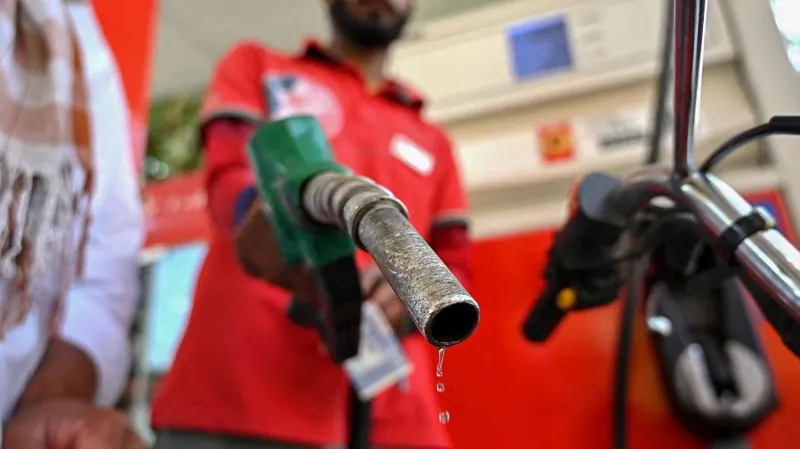
Global oil prices moved higher after talks between the United States and Iran faced fresh delays. Traders reacted quickly as concerns grew about possible risks to global energy supply routes.
Brent crude rose more than 3 percent on Monday. It traded just below 109 dollars per barrel as market confidence shifted due to slowing diplomatic progress.
US Iran Talks Lose Momentum
Negotiations between the United States and Iran failed to advance to a second round. US officials cancelled a planned diplomatic visit that was expected to meet Iranian representatives.
This decision lowered expectations for short term stability in the region. Market participants reassessed risks linked to global oil movement.
Strait of Hormuz Adds Pressure on Markets
The Strait of Hormuz remains a major focus for energy markets. Nearly one fifth of global crude oil and liquefied natural gas flows through this route.
Any disruption in this area creates immediate concern for supply chains. Shipping uncertainty has already affected market confidence.
Iranian Foreign Minister Seyed Abbas Araghchi said talks with Oman are ongoing. He also highlighted efforts with regional countries to keep maritime routes secure.
Iran Expands Diplomatic Engagement
Araghchi also met Russian President Vladimir Putin in St Petersburg. Iranian state media reported that both sides discussed regional stability and bilateral cooperation.
Iran continues to engage multiple countries as it manages regional pressure and works to protect shipping stability.
Oil Market Outlook Remains Unstable
Oil prices have gained more than 10 percent since a temporary ceasefire extension was announced. This extension was meant to allow further diplomatic proposals.
Despite recent gains, traders remain cautious. Many are waiting for clearer signs of reduced tension before making stronger market moves.
An energy strategist at BNP Paribas warned that long disruptions at the Strait of Hormuz could raise costs across many goods. Modern economies depend heavily on refined fuel products, not just crude oil.
An economics lecturer at Singapore Management University said traders now prefer confirmed developments over political news. Markets are waiting for stable and clear signals before reacting further.