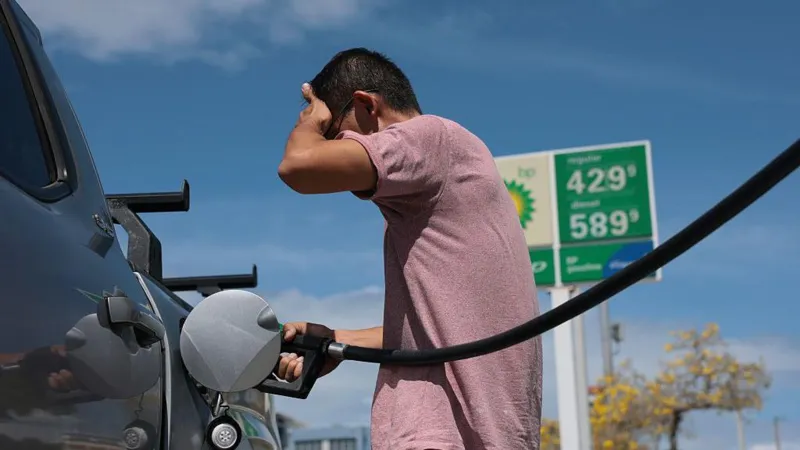
Rising Fuel and Food Costs
Inflation in the United States climbed sharply to 3.8% in April, marking the highest level since May 2023. The increase came mainly from rising energy prices linked to the ongoing Iran conflict and disruptions in global oil shipments.
According to the latest data from the Bureau of Labor Statistics, higher gasoline, housing, and grocery prices pushed consumer costs up faster than expected during the past 12 months.
The conflict involving Iran and Israel has created major pressure on global energy markets. One of the biggest concerns is the disruption around the Strait of Hormuz, a key shipping route for international oil supplies. As oil prices jumped worldwide, fuel prices across the United States also surged.
The average price of a gallon of unleaded gasoline has now reached $4.50, its highest level since July 2022. Rising transportation and shipping costs are also increasing prices for food and household products.
Federal Reserve Faces
The latest inflation report has reduced expectations for interest rate cuts this year. Many economists now believe the Federal Reserve may keep interest rates higher for longer to control inflation.
Investment experts say inflation remains a serious concern for the US economy. Isaac Stell, investment manager at Wealth Club, said possible interest rate hikes are still being considered because inflation pressure remains strong.
The situation becomes more complicated as Kevin Warsh prepares to replace Jerome Powell as chair of the Federal Reserve. Warsh is expected to face difficult economic conditions from the beginning of his term.
US President Donald Trump has repeatedly pushed for lower interest rates to support economic growth. However, rising inflation may limit how quickly the central bank can reduce borrowing costs.
Americans Feel Financial Pressure
The inflation increase is also affecting everyday Americans. Prices for airline tickets, clothing, groceries, and housing all moved higher in April. Although new car prices dropped slightly, most essential living costs continued to rise.
For the first time in three years, wage growth is no longer keeping ahead of inflation. Average wages increased by 3.6%, while consumer prices rose by 3.8%. This means many households are losing purchasing power as living expenses continue to climb.
Higher inflation may also create political pressure ahead of the upcoming US midterm elections. Economic conditions and rising living costs remain major concerns for voters across the country.
Stock markets react negatively.
US stock markets opened lower following the release of the inflation report. The S&P 500 fell by 0.6%, while the Dow Jones Industrial Average dropped 0.7% as investors reacted to concerns over future interest rates and economic uncertainty.
Analysts warn that continued tensions in the Middle East could keep oil prices elevated in the coming months. If energy costs remain high, inflation may stay above the Federal Reserve’s target level for a longer period.