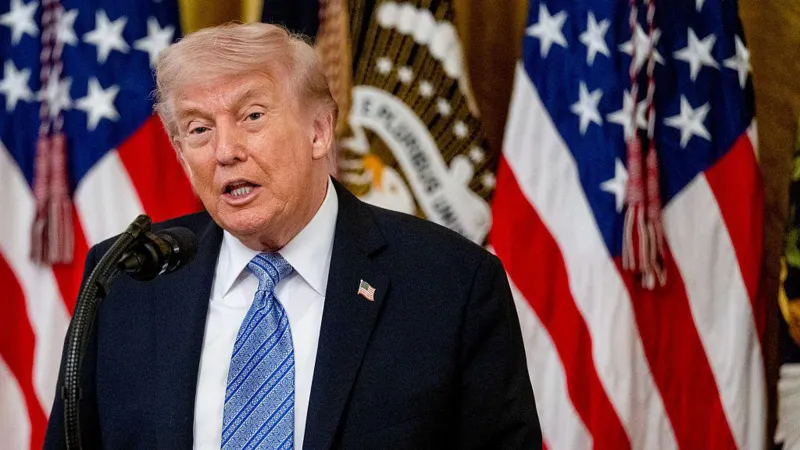
China has officially confirmed that US President Donald Trump will visit the country from 13 to 15 May for talks with Chinese President Xi Jinping. The trip marks the first visit to China by a US president in nearly ten years and comes during a sensitive period for relations between the world’s two biggest economies.
Several top American business leaders are expected to travel with Trump during the visit. Major companies such as Boeing, Citigroup, and Qualcomm may look to secure business agreements with Chinese firms.
The visit could also play a major role in strengthening the temporary trade truce between Washington and Beijing.
How the US China Trade War Began
Trade tensions between the United States and China started during Trump’s first presidential term. In 2018, Trump introduced tariffs worth billions of dollars on Chinese imports. He argued that the measures would protect American industries and create more manufacturing jobs in the US.
At the same time, the Trump administration also imposed tariffs on countries including Canada, Mexico, and several European nations. Officials claimed these countries had unfair trade advantages over the United States.
China strongly reacted to the new tariffs. Both countries continued increasing taxes on each other’s goods, pushing tariff rates above 100% during the peak of the conflict.
Experts believe China faced greater pressure because of its strong dependence on exports to the American market. Chinese factories and workers relied heavily on US buyers, making the trade restrictions especially damaging for the country’s economy.
China’s Economic Challenges Increased Pressure
The trade war added more pressure to China’s already struggling economy. The country has been dealing with weak domestic spending, rising unemployment, and problems in its property sector for several years.
Exports to the United States became even more important as China searched for ways to support jobs and economic growth. However, the ongoing tariff dispute created uncertainty for manufacturers and investors.
Analysts say countries with large trade surpluses often face more difficulty during trade wars because they depend heavily on exporting goods to foreign markets.
Biden Continued Tough Policies on China
When former US President Joe Biden entered office in 2021, his administration largely kept Trump’s tariffs in place.
The Biden administration also increased restrictions on Chinese technology companies. Chinese telecom giant Huawei faced strict limits in the US over national security concerns.
Meanwhile, the social media platform TikTok also came under pressure in the United States. Its American operations were eventually separated from its Chinese parent company after growing political scrutiny.
Why Trump’s China Visit Matters
Trump’s upcoming visit is expected to test whether both countries can maintain stable economic relations despite ongoing political and trade disputes.
Business leaders hope the meetings will reduce tensions and improve cooperation in areas such as trade, technology, and investment. However, disagreements over tariffs, technology access, and national security still remain major challenges for both sides.
The outcome of the visit could influence global markets and shape future US China relations for years to come.