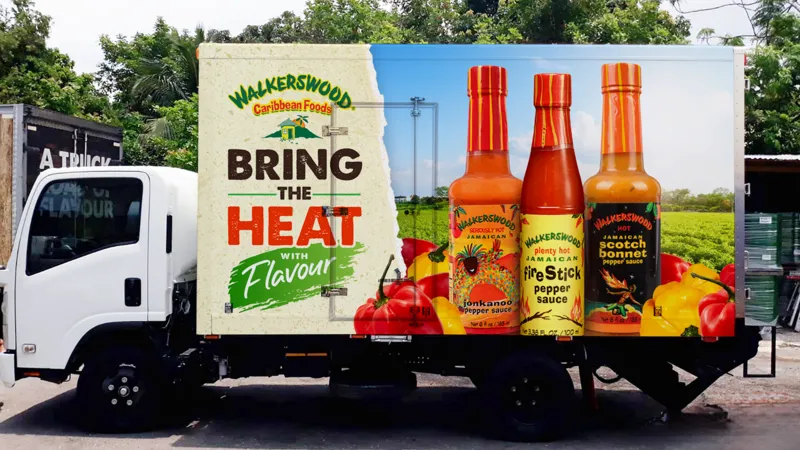
Hot sauce is a daily essential across Caribbean households. Scotch bonnet peppers give it the signature heat found in meals like rice and peas, curries, and stews.
Demand for Caribbean hot sauce has also grown internationally. These products now appear in major supermarkets in the United States, United Kingdom, and Australia.
However, producers are now struggling to keep up with supply because the main ingredient is becoming harder to source.
Weather Damage Disrupts Farming
Farmers in Jamaica, a major Scotch bonnet producing country, have faced repeated setbacks from extreme weather.
Recent hurricanes caused serious damage to farmland and crops. Heavy rainfall also affected plant growth and reduced pepper quality. In some cases, excess rain reduced the heat level of the peppers, which directly impacts sauce flavour.
Farmers also deal with plant diseases and pests that weaken harvests and reduce yields.
Because of these combined pressures, production has dropped and supply has tightened.
Farmers Switch Crops for Stability
Many farmers have reduced Scotch bonnet cultivation after repeated losses.
Some have shifted to crops like sweet potatoes because they are more stable and offer better financial security.
This shift has reduced the overall supply of Scotch bonnet peppers even further, making it harder for sauce manufacturers to maintain production levels.
Rising Prices and Supply Challenges
Hot sauce manufacturers report major cost increases due to limited pepper availability.
Some producers say pepper prices rose sharply after major storms, with increases reaching around 10 times in the short term. Over the last two years, costs have climbed by roughly 40 to 50 percent.
Companies that rely heavily on exports have also been forced to cancel orders when supply runs low.
To manage shortages, some businesses are increasing storage of peppers throughout the year. This helps reduce sudden supply gaps but adds extra cost and risk.
Cultural Importance and Industry Impact
Scotch bonnet peppers hold strong cultural value in Jamaica and across the Caribbean. They are used in nearly every type of local cooking and are a core part of national identity.
Hot sauce producers say demand remains strong both locally and abroad, but supply instability is now their biggest challenge.
As climate conditions continue to change, the industry faces ongoing uncertainty about future harvests and pricing stability.