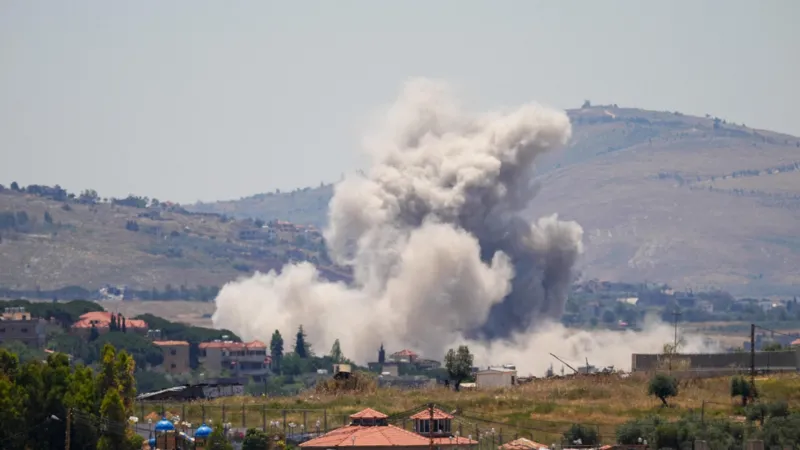
Hezbollah has rejected a renewed ceasefire agreement between Israel and Lebanon. The group strongly opposed the US backed plan and described it as unfair and unacceptable.
Hezbollah leader Naim Qassem said negotiations brought no benefit to Lebanon. He argued that the process humiliated the country and lacked public support across large parts of Lebanese society.
Details of the Ceasefire Plan
Israel and Lebanon recently agreed to renew a fragile ceasefire arrangement. The plan includes security zones inside southern Lebanon where Hezbollah fighters would not be allowed to operate.
The agreement also requires a full stop in cross border fire from Hezbollah. In return, Israel would limit certain military actions under the same framework.
US officials helped mediate the discussions. The proposal also suggested that the Lebanese army would take control of specific areas near the border.
Hezbollah Response to the Agreement
Hezbollah firmly rejected the terms of the deal. Naim Qassem said the agreement would force the group to withdraw from strategic areas. He also said it would achieve goals that benefit Israel.
He added that stopping fire from only one side does not create peace. According to him, the agreement feels like surrender rather than a fair political settlement.
Many supporters in Hezbollah strongholds expressed similar concerns. Some residents in southern Beirut said the situation on the ground still felt unstable, with reports of continued strikes despite ceasefire discussions.
Public Reaction in Beirut
In Beirut southern suburbs, opinions remained divided but mostly doubtful. Some local business owners said they did not believe a one sided ceasefire could hold.
One shopkeeper said lasting peace cannot exist if only one party is expected to remain silent. Others said repeated cycles of conflict have left them without hope for real change.
Residents also questioned whether the agreement would stop violence in practice. They pointed to ongoing tensions and uncertainty about enforcement.
What Happens Next
Both sides are expected to continue discussions later this month. The aim is to reach a wider and more stable agreement.
The proposed framework also includes the idea of international support for monitoring the border area. However, key details about implementation remain unclear.
Hezbollah remains one of the most powerful armed and political groups in Lebanon. It maintains strong backing from Iran and has a long history of conflict with Israel.