
Quick look at the situation
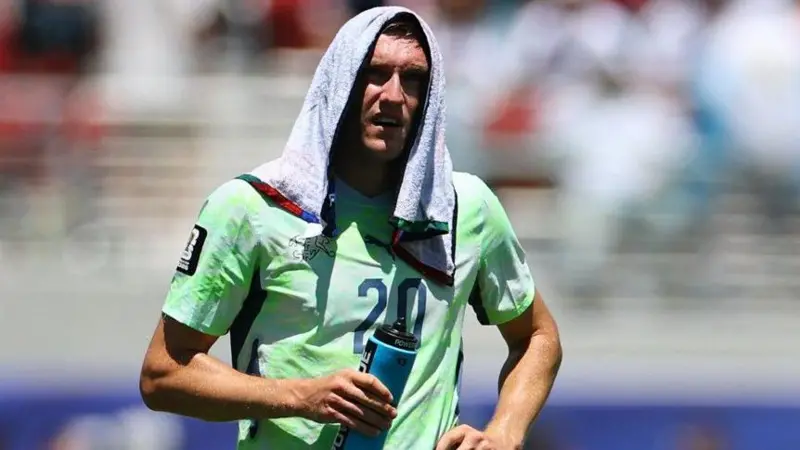
At the 2026 World Cup, matches are being paused twice in every game for short hydration breaks. Referees stop play around the 22 minute mark of each half so players can drink water and recover from heat and humidity in Mexico, Canada, and the United States. Each break lasts about three minutes and happens in all 104 matches.
Some coaches and fans like the idea. Others believe it disrupts the flow of the game and feels unnecessary when conditions are not extreme.
Why hydration breaks were introduced
The main reason is player safety. High temperatures and humidity levels across host countries can make matches physically demanding. Organizers added the breaks to help players stay hydrated and reduce health risks during intense matches.
Interestingly, the breaks are also used in stadiums with controlled indoor climates, which has raised questions about whether they are always needed.
Tactical advantage during stoppages
Some teams have turned these breaks into an advantage.
Brazil’s match against Morocco showed how this can work. Brazil were trailing 1 to 0 before the first hydration break. During the stoppage, coach Carlo Ancelotti used the time to speak directly with his players and adjust tactics.
Soon after play resumed, Brazil equalized through Vinicius Jr, who scored a powerful goal after cutting inside and finishing sharply.
Ancelotti later explained that the break allowed him to fix problems on the pitch and give clearer instructions, which helped the team regain control.
Mixed reactions from coaches
Not all managers support the idea.
USA head coach Mauricio Pochettino said he only supports hydration breaks when weather conditions are truly extreme. In normal conditions, he believes the stoppages are unnecessary and break the rhythm of the match.
Some critics also argue that these breaks feel more like commercial interruptions than sporting necessities, especially since they are scheduled in every game.