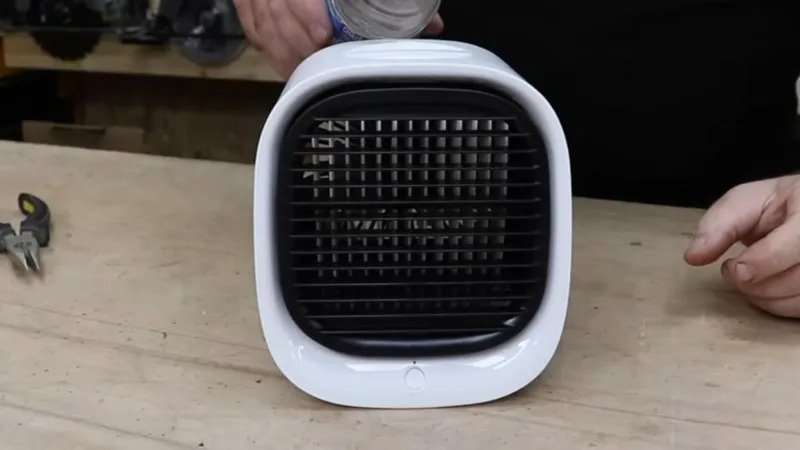
As the UK prepares for another hot weekend, misleading online adverts for portable air conditioners have started appearing across platforms like Facebook and YouTube. These products claim to cool rooms within seconds and are often promoted with impressive stories about advanced technology and former NASA engineers.
However, consumer experts have warned that many of these devices do not perform as advertised. Some buyers have discovered that expensive machines costing between £70 and £120 are simply small fans with basic cooling features.
Online Ads Make Unrealistic Cooling Promises
Many advertisements claim that these portable devices can reduce room temperatures quickly, cool entire homes within minutes, and use very little electricity. Some adverts also promote fake technical explanations, showing images of metal parts, copper coils, and advanced looking designs to make the products appear more powerful.
The Advertising Standards Authority (ASA) has warned customers that many of these claims appear misleading. The organisation found that several adverts included unrealistic customer reviews, with users describing extreme temperature drops and results that seemed impossible.
Customers Discover Cheap Fans Instead of Air Conditioners
YouTuber Stuart Matthews tested several of these products on his Proper DIY channel after purchasing different models online. He found that a device costing around £70 was not a real air conditioner but a simple fan worth only a few pounds.
Matthews explained that some products advertised as advanced cooling machines contained basic components. Instead of using real air conditioning technology, some devices used wet cooling pads that blow air over water.
These products are often known as evaporative coolers or swamp coolers. They can provide some relief in hot and dry climates, but they are less effective in humid areas like many parts of the UK.
How Fake Cooling Products Mislead Buyers
Experts say customers should look carefully before purchasing portable cooling devices online. Several warning signs can help identify misleading adverts:
• Claims that a small device can cool a large room within minutes
• Stories about secret inventions or breakthrough technology
• Poor spelling, grammar, or unclear company information
• Reviews that sound unrealistic or overly positive
• Websites without proper contact details or business addresses
Consumers should also search for independent reviews instead of trusting only testimonials shown on a seller’s website.
Real Air Conditioners Work Differently
Traditional air conditioners remove heat from indoor spaces through an exhaust system or an external unit. Many cheap portable devices advertised online do not use this technology and cannot provide the same level of cooling.
The ASA has advised shoppers to report suspicious adverts and research companies before making purchases. While authorities continue to monitor misleading advertisements, customers are encouraged to stay alert and avoid products that appear too good to be true.
The rise of fake portable air conditioner adverts shows how online shopping scams can use advanced visuals and false claims to attract buyers. During periods of extreme heat, consumers should carefully check product details, reviews, and company information before spending money on cooling devices.