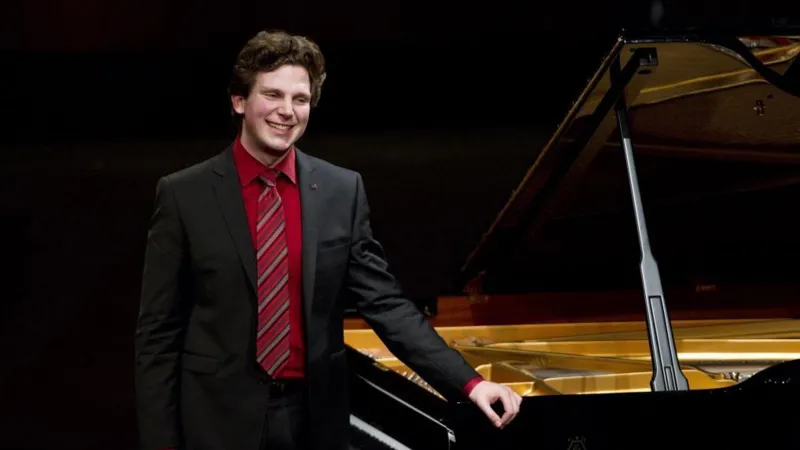
Acclaimed British Australian pianist Jayson Gillham has lost his workplace discrimination case against the Melbourne Symphony Orchestra (MSO) over comments he made about the Gaza war during a concert.
The Federal Court ruled that the orchestra did not cancel his performance because of his political beliefs.
Court Rules MSO Acted Over Reputation Concerns
Gillham took legal action against the Melbourne Symphony Orchestra after it cancelled his scheduled recital in August 2024.
The cancellation happened shortly after he spoke about the deaths of Palestinian journalists during a Melbourne performance. During the concert, he introduced a five minute piece titled Witness, composed by Connor D’Netto and dedicated to journalists in Gaza.
He said the killing of journalists was a war crime under international law and argued that such actions prevented the world from seeing evidence of possible war crimes.
Judge Says Political Views Were Not the Reason
Justice Graeme Hill rejected Gillham’s claim that he faced discrimination because of his political views.
The judge said the MSO had a policy of avoiding public support for either side in the Israel Gaza conflict. He also noted that classical musicians usually do not make political statements from the stage without approval from the event organiser.
According to the ruling, the orchestra cancelled the recital because it believed the comments could negatively affect its public image and operations.
Orchestra Later Called Cancellation an Error
The MSO received three complaints following Gillham’s remarks and decided to cancel his upcoming recital on 15 August 2024.
The decision caused a strong public reaction, with almost 500 complaints being submitted against the cancellation. The orchestra later admitted that cancelling the performance was an error and attempted to arrange a new date for the event.
During the trial, MSO argued that its stage was meant for musical performances rather than personal political statements. Gillham’s legal team argued that he had the right to express his beliefs and should not face workplace consequences because of them.
Gillham Responds After Court Decision
The case lasted three weeks and included evidence from Gillham, MSO executives, and other witnesses. The ruling has renewed discussions about freedom of expression, political statements by artists, and the responsibilities of cultural organisations.