Canadian Prime Minister Mark Carney has urged the United States to take trade negotiations seriously as tensions between the two countries continue to grow.
Carney criticized US officials for what he described as insults and political attacks. He said Washington should stop making jokes and focus on serious discussions about trade.
Canada is also preparing new tariffs on US products. The measures will take effect on September 8 as the trade dispute between the two countries intensifies.
Quick Facts
| What happened | Mark Carney urged the US to take trade talks with Canada seriously. |
|---|---|
| Who is involved | Canadian Prime Minister Mark Carney, US President Donald Trump, and US Trade Representative Jamieson Greer. |
| Where | Canada and the United States |
| When | September 1, 2026 |
| Canada's response | Canada plans new counter tariffs on US goods. |
| Tariff value | About $27.6 billion in US imports. |
| Tariff start date | September 8, 2026 |
| Why it matters | The trade dispute could increase costs for businesses and consumers in both countries. |
Mark Carney Calls for Serious Trade Talks
Mark Carney has taken a stronger position against the Trump administration as the trade dispute worsens.
The Canadian prime minister said US officials should stop making political comments about Canada. He called for serious negotiations instead.
Carney’s comments came after trade talks between Ottawa and Washington broke down. US Trade Representative Jamieson Greer has also said that no trade negotiations are currently taking place.
The disagreement has now moved beyond negotiations. Both countries are preparing measures that could increase costs for businesses and consumers.
Canada Prepares New Tariffs on US Goods
Canada will introduce new counter tariffs on September 8, according to the Canadian government.
The measures will cover about $27.6 billion in US imports. The tariffs will range from 15% to 50%, depending on the products involved.
The affected products include steel, aluminum products, dairy goods, appliances, agricultural equipment, furniture, clothing, pulp and paper, plastics and electronics.
Canada says the new tariffs will match the US tariff rates on targeted products. Existing Canadian tariffs on some US goods, including automobiles, will also remain in place.
Why the US Canada Trade Dispute Escalated
The latest conflict followed the collapse of trade negotiations between the two governments.
The US imposed additional 50% tariffs on Canadian products under Section 338 of the Tariff Act. The US Trade Representative said the measures were designed to respond to what Washington considers unfair treatment of American exports.
Canadian officials have rejected the US position and said some American demands were not acceptable.
The two sides also disagree about why the negotiations failed. US officials have blamed Canadian demands, while Canadian officials have pointed to disagreements within the White House over the talks.
Political Tensions Add to the Trade Conflict
Trade disagreements have also become part of a wider political dispute.
President Donald Trump has repeatedly criticized Canadian leaders. He has also argued that Canada benefits from its relationship with the United States while avoiding becoming part of the US.
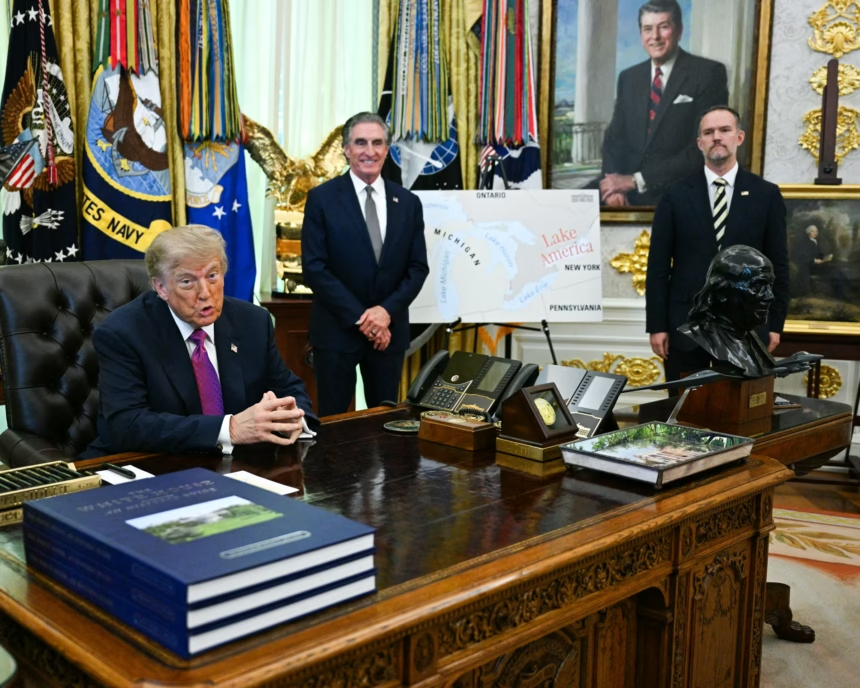
Another source of tension came from Trump’s decision to rename Lake Ontario as Lake America. Canadian officials rejected the move.
These political disputes have made it harder for both governments to focus on trade negotiations.
The tariff dispute could increase costs for companies that depend on cross border trade.
Canadian businesses importing US products could face higher costs after the new tariffs take effect. American consumers could also feel the impact if Canadian goods become more expensive.
Products linked to paper, food, household goods, industrial equipment and other sectors could face additional pressure.
The wider concern is that continued tariffs could disrupt supply chains and make it harder for businesses to plan.
Canada Prepares New Tariffs as Talks Stall
Canada’s new counter tariffs are scheduled to begin at 12:01 a.m. on September 8.
For now, trade negotiations remain stalled. Both governments could still return to talks if they decide that a negotiated agreement is better than continued tariffs.
The next stage will depend on whether Washington and Ottawa can reduce political tensions and find common ground on trade.
Canada is now preparing tariffs on $27.6 billion of US imports. The measures will increase pressure on both governments to find a solution.
The coming weeks will show whether the tariff conflict leads to further escalation or pushes both sides back to the negotiating table.