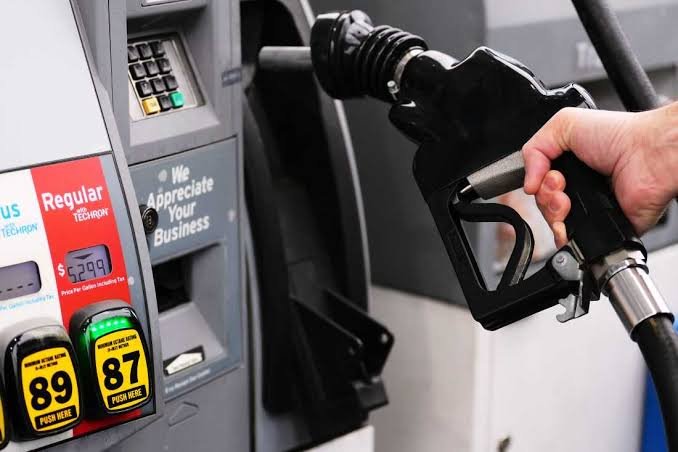
Diesel prices in the United States have reached a new record, increasing transportation costs for businesses and consumers across the country.
The national average price of diesel climbed to $5.85 per gallon on Friday. The sharp increase comes as the six-month conflict involving Iran continues to disrupt global fuel supplies.
Higher diesel prices could soon affect the cost of groceries, clothing, furniture, online deliveries, and many other everyday products.
Quick Facts
| Detail | Information |
|---|---|
| What happened | US diesel prices reached a record average of $5.85 per gallon. |
| Where | United States |
| When | Friday |
| Who is involved | US consumers, businesses, freight companies, retailers, and fuel suppliers. |
| Current status | Diesel prices continue to rise amid global fuel supply disruptions. |
| Why it matters | Higher fuel costs can increase transportation expenses and consumer prices. |
US Diesel Prices Reach a New Record
Diesel plays a major role in the American economy. Trucks, trains, ships, farms, and delivery networks depend on it every day.
As fuel prices rise, businesses must spend more money moving goods from one location to another. Many companies may eventually pass these higher costs on to consumers.
Some businesses have already added extra charges to online orders and package deliveries.
Why Higher Diesel Prices Affect Everyday Goods
Diesel powers much of the transportation network that moves products across the United States.
Grocery stores rely on trucks to deliver fresh food regularly. Produce, meat, dairy products, and other perishable goods often require frequent transportation.
Farmers also use diesel powered machinery during planting and harvesting seasons.
As a result, higher diesel costs can affect food prices in several ways.
The impact may not appear immediately. However, experts warn that prices could continue rising if diesel remains expensive for a long period.
Other products may also become more expensive. Diesel powered transportation helps move clothing, cosmetics, furniture, and household goods.
US Diesel Prices Jump Nearly 56 Percent
Before the conflict involving Iran began, the national average diesel price stood at approximately $3.76 per gallon.
The latest average of $5.85 represents an increase of nearly 56%.
Crude oil prices have also risen during the same period. Crude oil is the main raw material used to produce diesel and gasoline.
Supply chain problems across the Middle East have added pressure to global energy markets.
Tanker traffic has also faced major delays near the Strait of Hormuz, an important shipping route for global oil supplies.
What Is Driving Diesel Prices Higher?
The main reason behind the recent increase is disruption in the global oil supply.
The conflict involving the United States, Israel, and Iran has created uncertainty across international energy markets.
The Strait of Hormuz remains especially important because a large share of global oil shipments passes through the region.
Higher crude oil prices then increase the cost of producing diesel and gasoline.
Why This Matters to Consumers and Businesses
Higher diesel prices can affect nearly every part of the economy.
Freight companies spend more money on fuel. Retailers pay more to transport products. Farmers face higher operating costs.
Businesses may absorb some of these expenses at first. However, many companies eventually raise prices to protect their profits.
Delivery fees and shipping charges may also continue to increase.
The longer diesel prices remain high, the greater the risk of broader inflation across consumer goods.
US Diesel Prices Face Further Pressure
The future direction of diesel prices will largely depend on developments in global oil markets.
Any improvement in fuel supply chains could help reduce prices.
Businesses and consumers will also watch for additional shipping fees, delivery surcharges, and higher retail prices in the coming weeks.
US diesel prices have reached a record $5.85 per gallon, creating new challenges for businesses and consumers.
If fuel prices remain high, Americans may face higher costs for groceries, deliveries, clothing, furniture, and other products.