
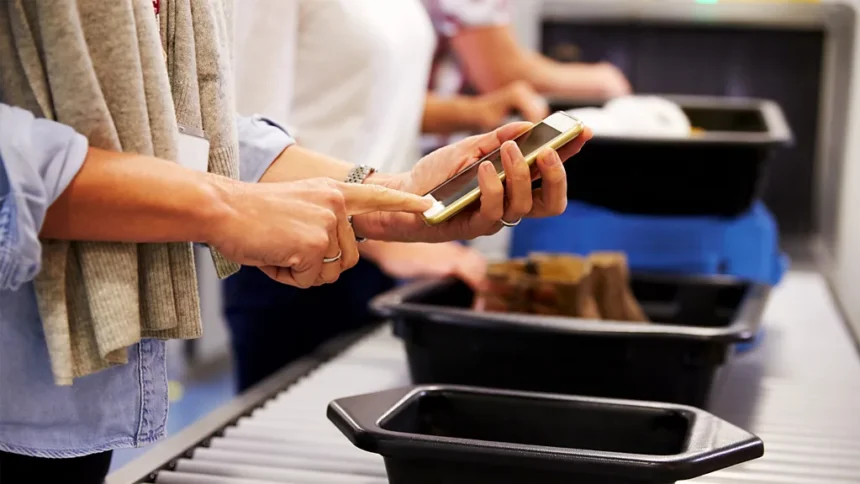
Social media posts can now affect your travel plans, with some content leading to visa denial or online backlash.
Last week, the US government announced plans to review five years’ worth of social media posts from visitors eligible for 90-day visa-free entry. The plan is open for public comment until 8 February 2026. Applicants under ESTA will also need to provide all email addresses used in the past ten years.
The proposal reflects a trend of using travellers’ digital footprints as grounds to deny entry or deport them. US Customs and Border Patrol (CBP) denied this, citing the traveller’s admitted drug use. CBP notes that border searches of devices help determine an individual’s intentions.
Digital border checks
Law professor Donald Rothwell warns that visitors now have fewer rights under the Visa Waiver Program. If travellers fail to comply with CBP requests, they can be denied entry. He advises travellers to be careful about the US policy towards citizens.
Rothwell predicts increased digitisation will make scrutiny more common. More data allows authorities to assess security risks better. He expects AI to play a growing role in these decisions.
Social media risks worldwide
Other countries also monitor travellers’ online activity. In New Zealand, border officials can demand phone access and fine those who refuse. In the UAE, foreigners have been detained for posting or reposting defamatory content.
Travellers generate large volumes of content. A Virgin Mobile survey found more than half of British travellers take multiple pictures weekly and post them online. Extreme cases include risking safety for the perfect selfie.
Missteps can offend locals. In 2022, a Russian influencer was deported from Bali after a nude photoshoot under a sacred tree triggered public outrage.
Governments now educate citizens on local social media etiquette. Canada’s portal warns travellers in Thailand that posting alcohol images can incur fines.
Cultural misunderstandings
Sucheta Rawal, a travel keynote speaker, experienced backlash from an online post in Africa. She advises that all content is vulnerable to misinterpretation.
Travel photography often involves wearing local clothing or visiting religious sites. Even minor mistakes can offend.
In high-context societies, like Japan, communication is nuanced and symbolic. Visitors from low-context cultures may inadvertently offend. Emojis and simple videos can be misinterpreted, potentially triggering serious reactions.
Rawal advises travellers to post consciously. Observe local customs, blend in, and avoid turning people into content objects. This approach leads to safer and more meaningful travel experiences.