Venezuela has one of the largest proven oil reserves in the world, exceeding 300 billion barrels—more than Saudi Arabia, Iran, or Kuwait. Its reserves are nearly four times larger than those in the United States.
Despite this wealth, Venezuela’s oil production has fallen dramatically. In the late 1990s, the country pumped roughly 3.5 million barrels per day. Today, output hovers around 800,000 barrels per day, largely due to deteriorating infrastructure, underinvestment, U.S. sanctions, and political instability.
Most of Venezuela’s oil is heavy or extra-heavy crude, which requires specialized extraction and refining equipment. Reviving production will demand significant time, investment, and technical expertise, meaning any boost in output will be gradual rather than immediate.
Political Risk Keeps U.S. Firms Cautious
Political instability and past disputes with international energy companies make Venezuela a risky environment. In the mid-2000s, President Hugo Chávez forced foreign oil firms to renegotiate contracts, reducing their profits and boosting the state-owned PDVSA.
ExxonMobil and ConocoPhillips left Venezuela and later sued the government in international courts, winning multi-billion-dollar awards. The country has paid only a fraction of these settlements.
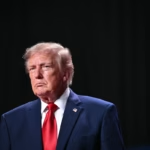
Trump recently said he wants major U.S. oil companies to invest billions to repair Venezuela’s oil infrastructure and restart production. So far, American firms remain cautious. Chevron said it continues to follow “relevant laws and regulations,” ConocoPhillips is monitoring developments, and ExxonMobil has not commented.
Energy Policy as a Geopolitical Tool
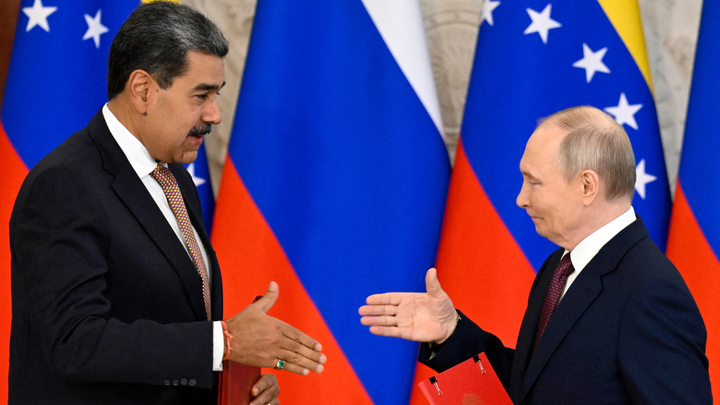
As U.S. companies pulled back, Russia, China, and Iran expanded their presence in Venezuela’s energy sector, providing financing, fuel shipments, and technical support. These moves gave those countries more influence over Venezuelan crude and reshaped trade flows.
Sanctions led to “ghost ships,” oil tankers that turn off tracking systems to transport Venezuelan crude discreetly. This opaque trade reduces transparency and allows Caracas to maintain exports despite economic isolation.
For the Trump administration, bringing U.S. firms back to Venezuela represents both an economic and geopolitical strategy. Reviving American investment could restore energy production while limiting rival powers’ influence over the country’s vast oil reserves.