New Fine System Starts in Shibuya
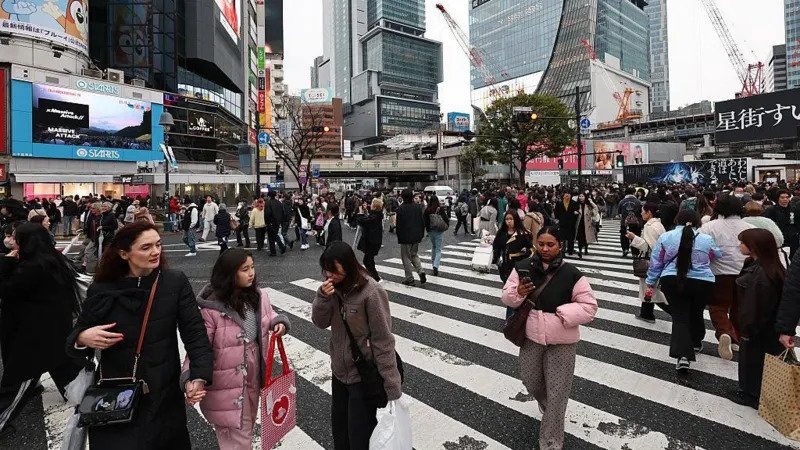
Shibuya Ward in Tokyo has started issuing instant fines for littering in busy public areas. The penalty is 2,000 yen, which is about 13 dollars or 9 pounds. The rule began this week and targets both residents and tourists.
Officials say the measure is designed to keep one of Japan’s busiest entertainment districts clean. Shibuya Crossing, one of the most visited landmarks in Japan, sits at the centre of this campaign.
Growing Tourism Pressure in Japan
Japan has seen a sharp rise in international visitors. The country welcomed a record 42.7 million tourists in 2025. This surge has created new pressure on public spaces, especially in major cities like Tokyo.
Local authorities report more cases of public drinking and littering in crowded tourist zones. Officials say this behaviour has increased concerns among residents and businesses.
How the Fine System Works
The new system allows enforcement officers to issue fines immediately. People can pay using cash, bank cards, or QR code payments. Around 50 officers will patrol key areas to enforce the rules.
Authorities have also asked food and drink businesses to install waste bins where possible. The goal is to reduce litter before it appears on the streets.
Officials in Shibuya stated that littering will not be accepted simply because bins are limited. They said the aim is to create a cleaner and more comfortable city for everyone.
Why Japan Has Few Public Bins
Public rubbish bins are not common in many parts of Japan. One reason is safety concerns linked to past security incidents. As a result, visitors often struggle to find places to dispose of waste.
A recent survey showed that the lack of bins is one of the biggest complaints among tourists. More than 20 percent of respondents mentioned it as a major inconvenience.
Tourism Strain Beyond Tokyo
Other parts of Japan are also feeling the effects of rising tourism. Near Mount Fuji, the town of Fujiyoshida has experienced traffic congestion and litter problems. Local authorities even cancelled a popular cherry blossom festival due to overcrowding.
National Efforts to Manage Overtourism
Japan is introducing several measures to manage visitor numbers. These include higher tourist taxes and digital tools that show real time crowd levels in popular destinations. The aim is to balance tourism growth with local quality of life.